Organic agriculture won’t save the planet, writes Marc Gunther, editor at large of the Sustainable Business section of the Guardian, and it won’t feed the planet, either. But there are lessons that conventional farming can learn from organic farming that could lead to more sustainable practices.
Gunther, quoting agricultural scientist Steve Savage, writes that despite claims that organic agriculture is the “fastest growing segment of the food industry,” only 0.7 percent of the 370 million acres of US cropland is dedicated to organic farming. At current growth rates, “organic will cover less than three percent of US cropland in 2050.” The world needs a much bigger solution, according to Savage,and a less than one percent solution after 30 years is not big enough.
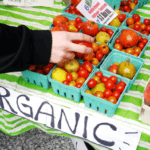
Supporters of organic farming have insisted that if more people buy organic, organic agriculture will grow. However, organic food costs more and its production is limited by the fact that organic farms are less productive than conventional farms, especially for basic crops like wheat, corn, soy, rice and potatoes.
But organic farming techniques can be applied to make conventional farming more sustainable. Organic farming encourages long-term thinking because the transition from organic to conventional takes three years. Long-term strategies that promote soil health, integrated pest management, controlled wheel traffic, targeted fertilization and other practices could be applied to farmers who lease their land for short periods of time and don’t necessarily think about the soil quality and the surrounding environment. Environmental groups or the government may have a role to play in promoting farm leases that reward responsible growing practices.

Read the full, original story here: Organic food is not the answer
Additional Resources
- ‘Good for nature, good for you’? Not so fast: Breaking down the myths of organic farming, Project Syndicate
- Sticker Shock in the Organic Aisles, New York Times