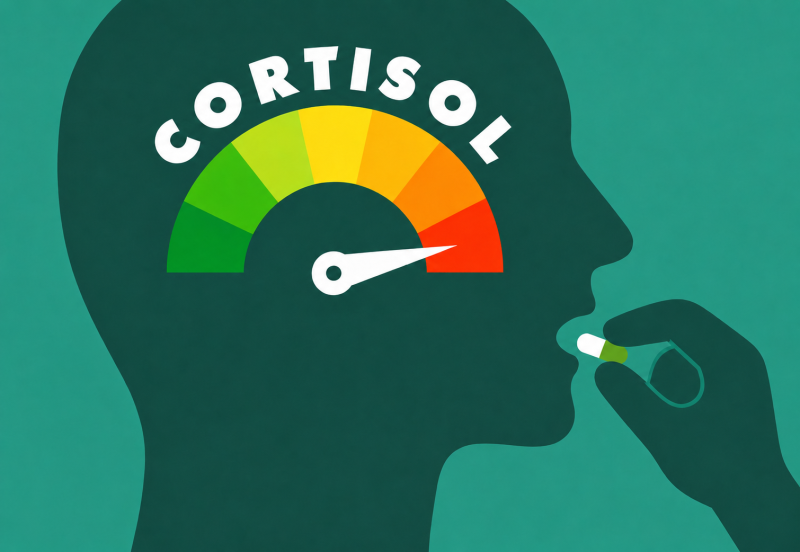

Cortisol is the internet’s favorite wellness boogeyman. Per social media, too much of it is why you’re experiencing 3 a.m. wake-ups, have a “cortisol belly,” and see an extra-puffy face when you look in the mirror. Google searches for cortisol in the US have climbed significantly over the past five years, including anxiety-indicating entries such as “cortisol triggering foods,” “cortisol detox,” and “how to lower cortisol.” …
“A lot of the hype on the internet is not real,” says Dr. Scott Isaacs, an endocrinologist and the former president of the American Association of Clinical Endocrinology. “The obsession on Instagram is just a fundamental misunderstanding of cortisol, which is a vital hormone that we can’t live without.”
I will admit that I have become quite susceptible to all of the cortisol information — more precisely, misinformation — floating around online.
…
The rise in distrust in medical and scientific establishments makes people more open and susceptible to online wellness content. Add to this the growing partisanship around health, the Make America Healthy Again movement, and the heightened skepticism toward public officials that arose during the pandemic, and you have a recipe for trust-related disaster.