German poultry producers backing away from 14-year commitment to using only non-GE soybeans

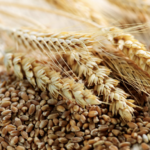
German producers have decided to feed their poultry genetically engineered soybeans, which biotech proponents say bodes well for transgenic crops in Europe. German farmers have broken their promise not to feed poultry genetically engineered soybeans, which biotech supporters see as a step in the right direction. A conglomerate of German poultry associations known as ZDG has announced poultry producers are backing away from their 14-year commitment to using only non-GE soybeans.

The decision came as the result of reduced supplies and higher prices for non-GE soybeans, according to reports from USDA’s Foreign Agricultural Service. Non-GE soybeans have traded at prices up to 30 percent higher than biotech soybeans and Brazil — a major soybean producer — is expected to reduce the size of its non-GE crop, according to FAS. It’s also getting harder for German farmers to guarantee that they feed poultry non-GE soybeans due to the prevalence of cross-pollinated biotech traits in the conventional crop, the report said.

The situation in Germany reflects a broader economic reality as major exporters turn to more biotech crops, said Mary Boote, CEO of Truth about Trade & Technology, a non-profit that supports GE crops. “It’s become a sustainability issue and a market reality,” said Boote.

Read the full, original article: German chicken farms buy genetically modified soybeans

{{ reviewsTotal }}{{ options.labels.singularReviewCountLabel }}
{{ reviewsTotal }}{{ options.labels.pluralReviewCountLabel }}
{{ options.labels.newReviewButton }}
{{ userData.canReview.message }}

Related Articles

Infographic: Global regulatory and health research agencies on whether glyphosate causes cancer

Infographic: Global regulatory and health research agencies on whether glyphosate causes cancer

Does glyphosate—the world's most heavily-used herbicide—pose serious harm to humans? Is it carcinogenic? Those issues are of both legal and ...

Most Popular

ChatGPT-Image-Mar-27-2026-11_47_30-AM-2
FDA’s expedited drug reviews are hailed in some quarters but other approval practices are problematic
Screenshot-2026-05-01-at-1.29.41-PM
Viewpoint: What happens when whole grains meet modern food manufacturing? Labels don’t tell the whole story.

Farmers can talk to plants
Farmers are a major source of misinformation—about farming
ChatGPT-Image-Apr-13-2026-02_20_22-PM
Viewpoint: Misinformation infodemic? Why assessing evidence is so challenging 
S
As vaccine rejectionism spreads, measles may be taking a more dangerous turn
Screenshot 2026-05-06 at 2.19
Vaccine shootout at the CDC 
What explains Homo sapiens’ huge brains? Ancient climate change played a role
Viewpoint: Internal White House documents detail administration’s strategy to undermine climate science
Screenshot-2026-04-20-at-2.26.27-PM
Viewpoint — Food-fear world: The latest activist scientists campaign: Cancer-causing additives
ChatGPT-Image-May-7-2026-11_28_04-AM-2
‘Conflict entrepreneurs’ are driving disinformation and shaping public opinion
Screenshot-2026-05-06-at-2.07.43-PM
Manufacturing a conspiracy: The timeline of how  the White House embraced the fringe claim that scientists are being mysteriously murdered
ChatGPT-Image-May-6-2026-03_41_05-PM
‘Protecting the integrity of science’: Kennedy’s FDA blocks release of taxpayer-funded studies finding COVID and shingles vaccines safe
bigstock opioids on chalkboard with rol
GLP podcast: 'Safe injection sites': enabling drug addiction or saving lives?
Screenshot 2026-05-06 at 2.56
Singularity crisis ahead? Can super babies save us from rogue AI geniuses?
glp menu logo outlined

Get news on human & agricultural genetics and biotechnology delivered to your inbox.