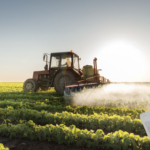
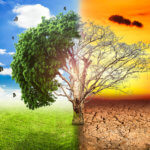
While the recently published Intergovernmental Panel on Climate Change report warns that the worst effects of climate change are yet to come, we already have many technologies available to face them and protect our future food supply. Agricultural technologies, such as plant biotech and crop protection products, help farmers manage the stress of changing weather conditions. Many of these products have long been in our arsenal to protect our food supply in the face of drought, extreme heat, and pressures from pests and diseases. And new innovations will add effective options to the toolbox.
The difficulty, however, has been determining which agricultural technologies will be the most effective, the most sustainable, and where in the world they yield the best results, as not all technologies are suitable for all regions of the world. A ground breaking new study and online tool from the International Food Policy Research Institute (IFPRI) has answered these questions.
By dividing the world’s arable land into a grid of 60 kilometre by 60 kilometre cells, IFPRI has mapped how 11 different agricultural innovations will likely affect maize, wheat and rice yields by 2050 under climate change conditions. The 11 agricultural technologies are ones that farmers can access today: crop protection, drip irrigation, drought tolerance, heat tolerance, integrated soil fertility management, no-till farming, nutrient use efficiency, organic agriculture, precision agriculture, sprinkler irrigation, and water harvesting.

For many of these technologies, innovative research and development is being done to produce even more significant impacts and benefits in the future. It is crucial to remember that different technologies will yield different results in different regions of the world. Finally, combining these technologies (also known as “stacking”) could yield the greatest impact yet.
Read the full, original article: Which Agricultural Technologies Will Safeguard Our Food Supply?