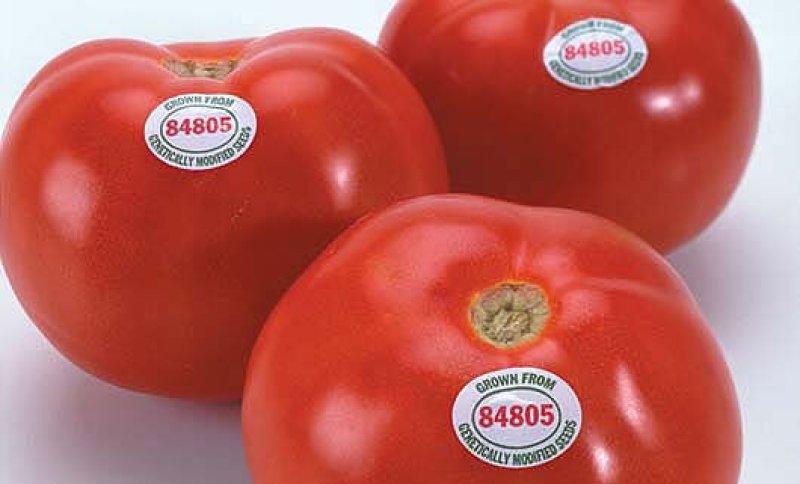
In the short term, the produce industry would probably benefit from legislation requiring foods containing GMOs be labeled as such, because most fresh fruits and vegetables are not GMO foods. Food manufacturers, and to my surprise — many university scientists — are fighting GMO labeling with trite responses such as “We know GMOs are safe” and “It’s the same as a fast-track system of conventional plant breeding.”
Those arguments may be correct, at least for some GMOs, but they lack credibility with both the fear-mongering media and the GMO-phobic public.
GMO labeling would defuse the issue, inform everyone about what foods contain GMOs, and allow our food production and marketing system to adjust accordingly.
The upside to GMO labeling would be that those fearing GMOs would move away from processed foods, many of which already contain GMOs, to more fresh fruits and vegetables. We might actually see increases in apple consumption. This approach is apparently already paying off for FirstFruits Marketing of Selah, Wash., where folks had the foresight to label their new proprietary yellow “Opal” apple as a non-GMO apple.

Buying into the anti-GMO phobia suggests that the industry accepts and condones the anti-science nonsense promoted by most GMO-phobes. If we abandon science, where will the list of demands end? Without good science as a standard for decision-making, all food producers will be increasingly subjected to whimsical changes in both regulations and consumer choices.
Read the full, original article: We should not oppose GMO labeling