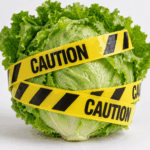
Proponents of a proposed ballot initiative that would require labeling of genetically modified foods are nearing the end of their signature drive, setting up a real food fight between citizens and producers.
The Right to Know initiative has collected about 90,000 signatures. They must collect at least 86,105 valid signatures by Aug. 4 in order to make the November ballot. If voters approve the ballot measure, then beginning in July 2016, food in Colorado would be deemed misbranded unless the words “produced with genetic engineering” appears on its label. The measure would affect both packaged and raw foods such as produce.
“Obviously we needed to take a look at how the citizens of Colorado would react to this and it’s been a huge demand,” explained Larry Cooper, lead proponent of the Right to Know drive. They have established an issue committee, Right to Know Colorado GMO, which has taken in about $76,000 in donations. Most of the donations came from individuals, but the larger donations came from GMO labeling advocacy groups, as well as from distributors and makers of GMO-free brands.
Opponents have established their own issue committee, Coalition Against the Misleading Labeling Initiative, which has just started fundraising efforts. If the measure qualifies for the ballot, opponents expect to have adequate funding to defeat it.


Sarah Froelich, a spokeswoman for the Coalition Against the Misleading Labeling Initiative, said a broad group of farmers, food producers, retailers and citizens across Colorado and the nation are coming together to oppose the measure if it qualifies for the ballot. The coalition includes the Colorado Farm Bureau Federation, the Rocky Mountain Food Industry Association, the Colorado Association of Wheat Growers, the Biotechnology Industry Association, and Grocery Manufacturers of America.
Read the full, original article: Potential for real food fight if GMO labeling makes ballot