Executives at the helm of every biotech company, every farm bureau and every commodity group are listening rather intently to the very people who seek to put them out of business.
The most blatant example is the biotech sector’s favorite go-nowhere meetings in Washington DC: the Advisory Committee on Biotechnology and 21st Century Agriculture (AC21). These meetings have focused of late on just one thing: how to “protect” organic farms from GMOs, with nary mention of the fact that GMOs pose no risk whatsoever to organic crops, which of course explains why certified-organic farmers and GMO farmers have been farming side-by-side for two decades now without incident.
There was a glimmer of commonsense when President Obama’s Secretary of Agriculture Tom Vilsack suggested organic farmers could buy insurance to protect against GMO “contamination,” again, in spite of the fact that there’s no such thing. He said, in essence, If you want protection from something that scientists and the federal government say you don’t need protection from, then go to the private insurance market and buy insurance.
Rather than object, GMO executives went a step further. They got Republican Mike Pompeo to draw up a GMO labelling bill in Congress which, they hope, will be their industry’s salvation by providing for voluntary GMO labelling which will put a stop to all the mandatory labelling schemes like the one that Democrat Barbara Boxer tried to pass last year, or that is now law in the state of Vermont. And the way Pompeo’s bill will work is by establishing – for the first time ever – an allowable threshold-limit for GMO contamination in organic crops of 0.9%.
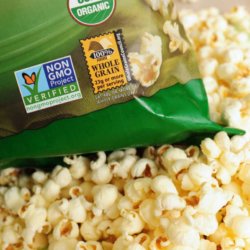
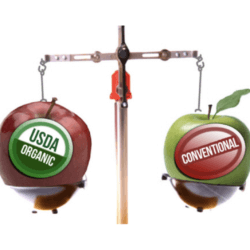


Hang on. There’s no such thing as contamination of an organic crop by GMOs. So, excuse me all you highly paid GMO executives, but isn’t this a huge step backwards?
Read the full, original article: The GMO Debate: Meetings about non-existent food safety issues