Seed and pesticide makers like BASF SE , DuPont Co. , Bayer AG and Monsanto Co. are investing heavily to develop new products incorporating organisms like bacteria and tiny fungi, which executives say can help corn, soybean and other plants fend off pests and grow faster.
The companies aim to coat the outsides of the seeds with such beneficial microbes, and in other cases, spray them on growing plants. The push into microorganisms reflects an effort by agricultural companies to diversify beyond synthetic chemical pesticides, amid growing regulatory and consumer scrutiny. Pesticides and other products incorporating microbes typically can be rolled out faster than man-made chemical insecticides and weedkillers, which have drawn closer scrutiny from U.S. regulators in recent years following environmental concerns raised by consumers, advocacy groups and organic farmers.
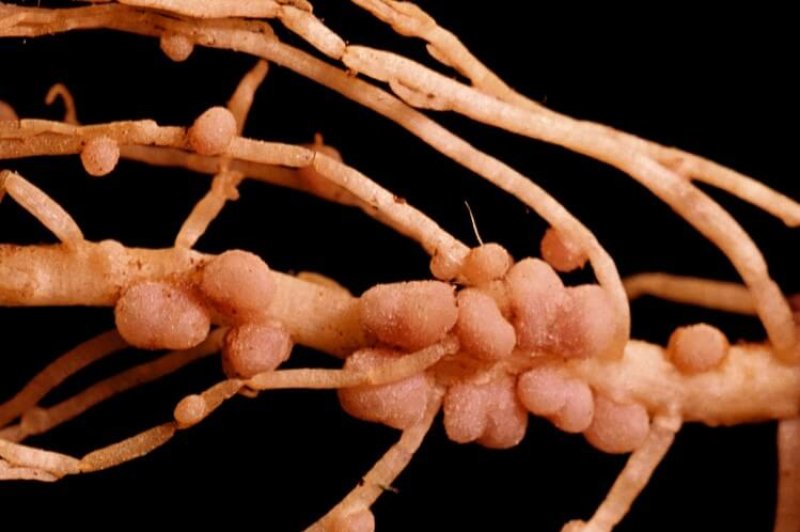
Microorganisms have been narrowly used for decades in agriculture, mainly in coating soybeans and other legumes to better absorb nutrients and fight fungus. Now, companies say advances in genetic-analysis technology and cultivation practices enable them to find and develop new microorganisms that can perform much broader functions, such as shielding crops from more diseases and pests or mitigating damage from drought.
“The DNA diagnostics today give you a level of understanding you didn’t have five to 10 years ago,” said Robert Fraley, Monsanto’s chief technology officer.
Monsanto and its rivals for nearly 20 years have sold genetically modified seeds for crops like corn and cotton. They splice in traits from other organisms that enable the seeds to produce bug-killing proteins or withstand the chemical sprays that the companies also sell.

Incorporating microscopic organisms such as bacteria and fungi represents a different approach, encouraging helpful bacteria and fungi to live on the plants’ surfaces, helping plants absorb nutrients and providing defenses against bugs and disease.
Microbe-based products face skepticism from some environmentalists. But because they don’t rely on genetic engineering or man-made chemicals, the products can be used in producing organic and natural foods. USDA rules bar organic products from containing genetically modified organisms, or GMOs, but permit the use of naturally occurring bacteria on organic crops—though the agency reviews such treatments in certifying farms as organic to make sure the products don’t include synthetic substances.
Read full, original article: The Race Is On To Find Organic Pesticides