GMO plant oil could be healthy, sustainable alternative for feeding salmon

Genetically modified plants created by British scientists to contain health boosting Omega-3 have been declared a safe alternative to fish oil.

Scientists at Rothamsted Research in Hertfordshire copied and synthesised the genes from the microscopic marine algae that are eaten or absorbed by fish and then spliced them into a plant called ‘Camelina sativa’ which is widely grown for its seed oil.

It is the first example of a new generation of so-called ‘nutraceuticals’ – plants whose genetic structure has been altered to introduce health-boosting properties.

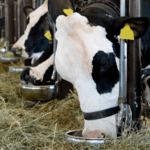
The plant oil has been created to be fed to farmed fish, such as salmon, to boost their Omega-3 content and make food healthier for shoppers.

Farmed fish grown in cages are unable to absorb sufficient Omega-3 in their diets so they have to be fed on smaller fish.

A new study showed that salmon who were fed on the oil thrived.

Dr Monica Betancor, who carried out the fish experiments at the University of Stirling, said: “This is highly significant because fish oil is a finite and limited resource, very expensive and the increasing demands for it by the fish farming industry will not be met in the future. So we really need to develop effective alternatives like this one.”

Read full, original article: Genetically modified crop successfully fed to salmon, say scientists

 

{{ reviewsTotal }}{{ options.labels.singularReviewCountLabel }}
{{ reviewsTotal }}{{ options.labels.pluralReviewCountLabel }}
{{ options.labels.newReviewButton }}
{{ userData.canReview.message }}

Related Articles

Infographic: Global regulatory and health research agencies on whether glyphosate causes cancer

Infographic: Global regulatory and health research agencies on whether glyphosate causes cancer

Does glyphosate—the world's most heavily-used herbicide—pose serious harm to humans? Is it carcinogenic? Those issues are of both legal and ...

Most Popular

Screenshot-2026-04-22-at-12.21.32-PM
Viewpoint: Why the retracted Monsanto glyphosate study doesn’t change the science—the world’s most popular herbicide is safe 
Picture1
The FDA couldn’t find a vaccine safety crisis, so it buried its own research
ChatGPT-Image-May-1-2026-11_42_59-AM-2
Viewpoint: NAD is the wellness grifters latest evidence-lite longevity fad. At least the mice are impressed.
global warming
‘Implausible’: Top climate scientists reject worst-case scenario—soaring temperatures and fast-rising sea levels

Screenshot-2026-05-21-at-12.15.17-PM
UK gene-editing milestone: Livestock barley that increases ruminant value and reduces methane emissions is first-approved CRISPR crop
ChatGPT-Image-Apr-16-2026-02_56_53-PM
Financial incentives, over diagnosis, and weak oversight: Autism claims are driving up Medicare costs
vax-misinformation-main
Facts & Fallacies Podcast: Limit free speech to blunt social media misinfo?
Screenshot-2026-05-21-at-3.15.53-PM
Chiropractors may no longer be modern-day snake oil salesmen, but the benefits of their therapy are limited–at best
ChatGPT-Image-May-12-2026-11_27_01-AM-2
AI likely to improve health care, research shows—but not for blacks and ethnic minorities
red-meat-cancer-connection-1030x749
Meat sits atop the U.S.-RFK, Jr. food pyramid. How healthy is the carnivore diet?
Screenshot-2026-05-20-at-5.11.17-PM
Viewpoint: No, sugar doesn’t ‘feed’ cancer — common cancer myths, debunked
glp menu logo outlined

Get news on human & agricultural genetics and biotechnology delivered to your inbox.