So Roundup “probably” causes cancer. This means what, exactly?

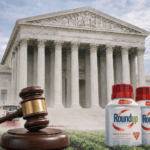
The World Health Organization just classified glyphosate — the active ingredient in the herbicide Roundup — as a probable carcinogen.

Don’t forget that the list of things that probably cause cancer includes … just about everything. Sunshine, alcoholic beverages (the ethanol therein), wood dust, and outdoor pollution are “known” carcinogens. The “probable” group includes wood smoke, night shifts (they disrupt circadian rhythms), and hot mate (the South American drink).

I make these comparisons not to downplay the risk — just to put it in proper context. Just about everything in life has risks; the trick is to weigh those risks thoughtfully against benefits.

It may be that we as a society decide that, if the carcinogenic risk of this herbicide is greater than its benefits, we should take steps to reduce it. We’d want to do this in a holistic way, looking carefully at farm practice to ensure that glyphosate isn’t replaced with something worse. And we shouldn’t let the fact that it’s associated with the GMO boogeyman cloud our thinking.

Another probable carcinogen, acrylamide, is formed by cooking at high temperatures: It shows up, for instance, in coffee beans, potato chips, and french fries. The FDA just approved a GMO potato that produces less than half the acrylamide. If we want to reduce glyphosate use, shouldn’t we also embrace this potato? And conversely, if we aren’t worried about glyphosate, is there really any need for the new potatoes?

Either way, let’s just be consistent.

Read full original article: So Roundup “probably” causes cancer. This means what, exactly?

{{ reviewsTotal }}{{ options.labels.singularReviewCountLabel }}
{{ reviewsTotal }}{{ options.labels.pluralReviewCountLabel }}
{{ options.labels.newReviewButton }}
{{ userData.canReview.message }}

Related Articles

Infographic: Global regulatory and health research agencies on whether glyphosate causes cancer

Infographic: Global regulatory and health research agencies on whether glyphosate causes cancer

Does glyphosate—the world's most heavily-used herbicide—pose serious harm to humans? Is it carcinogenic? Those issues are of both legal and ...

Most Popular

Screenshot-2026-05-01-at-1.29.41-PM
Viewpoint: What happens when whole grains meet modern food manufacturing? Labels don’t tell the whole story.
S
As vaccine rejectionism spreads, measles may be taking a more dangerous turn
Screenshot 2026-05-06 at 2.56
Singularity crisis ahead? Can super babies save us from rogue AI geniuses?
Screenshot-2026-05-06-at-2.07.43-PM
Manufacturing a conspiracy: The timeline of how  the White House embraced the fringe claim that scientists are being mysteriously murdered
Screenshot-2026-04-20-at-2.26.27-PM
Viewpoint — Food-fear world: The latest activist scientists campaign: Cancer-causing additives
Screenshot-2026-03-13-at-12.14.04-PM
The FDA wants to make many popular prescription drugs OTC—a great idea. Here’s why it’s unlikely to happen
Screenshot-2026-04-30-at-2.19.37-PM
5 myths about summer dehydration that could damage your health — or even kill you
ChatGPT-Image-May-6-2026-03_41_05-PM
‘Protecting the integrity of science’: Kennedy’s FDA blocks release of taxpayer-funded studies finding COVID and shingles vaccines safe
Screenshot-2026-05-01-at-11.56.24-AM
‘Science moves forward when people are willing to think differently’: Memories of DNA maverick Craig Venter
79d03212-2508-45d0-b427-8e9743ff6432
Viewpoint: The Casey Means hustle—Wellness woo opportunism dressed up as medical wisdom
Screenshot 2026-05-06 at 12.49
Immortal dragons: The quest to ‘make death optional’
glp menu logo outlined

Get news on human & agricultural genetics and biotechnology delivered to your inbox.