The idea behind Sapphire Energy was radical: Use synthetic biology, a promising new technology that lets scientists reengineer the genetics of living organisms, to take on the fossil-fuel industry—and do the whole thing with pond scum.
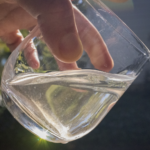
The company spent years unraveling the genetic pathways and manipulating the DNA of various types of algae and eventually engineered a handful of specimens that produced biofuels ready to be pumped directly into your gas tank. Sapphire called it “green crude,” and the company had proved it could power all sorts of vehicles, from Boeing 747s to Priuses.
Other synthetic biology (synbio, for short) companies cropped up with similar biofuel plans, and investors poured hundreds of millions of dollars into the field. “Designing and building synthetic cells will be the basis of a new industrial revolution,” Craig Venter, one of the fathers of modern synthetic biology, told The New York Times. “The goal is to replace the entire petrochemical industry.” By 2018, Sapphire announced, the company would make 100 million gallons of fuel in its massive desert ponds; by 2025, they could produce a billion.
When the bottom fell out of the energy market during the Great Recession, it took much of the nascent synbio biofuel industry with it. Competing with $140 barrels of oil was one thing, but $50 was untenable.

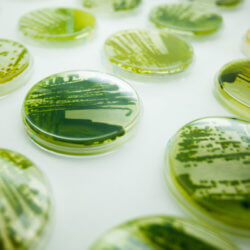



Walter Rakitsky, the senior vice president of Solazyme, one of the biggest bio-innovation companies, tells me how in 2008, while the company was still focused on creating fuels from algae, someone decided to bake a cake with some algae oil. Rakitsky and others realized the potential quickly. The process of making food oils wasn’t too different from making diesel, and with their technology, they could make food oils that were lower in saturated fat than, say, olive oil, or came with a higher smoke point. They could also produce something very similar to palm oil, which they say is an excellent alternative to the real stuff, often grown and refined in harsh conditions.
Read full original article: The Promises and Perils of Synthetic Biology