Bees may become ‘addicted’ to neonics

Bees may become addicted to nicotine-like pesticides in the same way humans get hooked on cigarettes, according to a new study, which was released as a landmark field trial provided further evidence that such neonicotinoids harm bee populations.

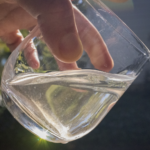
In a study published in the journal Nature, scientists from Newcastle University showed that bees have a preference for sugar solutions that are laced with the pesticides imidacloprid and thiamethoxam, possibly indicating they can become hooked on the chemicals.

Also published in Nature was a study that has been endorsed as the most conclusive evidence yet that the group of pesticides, neonicotinoids, harm wild bee populations, which include bumblebees and solitary bees.

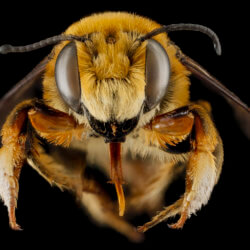
Scientists from Lund University in Sweden carried out the first successful ‘real world’ experiment on the effect of neonicotinoids on bees and found that wild bee populations halved around fields treated with them. Bumblebee hives stopped growing and produced less queens where the chemical was present. However the study did not find evidence that more robust honeybees, which are used to pollinate many crops, were affected.

The GLP aggregated and excerpted this blog/article to reflect the diversity of news, opinion and analysis. Read full, original post: Bees may become addicted to nicotine-like pesticides, study finds

 

{{ reviewsTotal }}{{ options.labels.singularReviewCountLabel }}
{{ reviewsTotal }}{{ options.labels.pluralReviewCountLabel }}
{{ options.labels.newReviewButton }}
{{ userData.canReview.message }}

Related Articles

Infographic: Global regulatory and health research agencies on whether glyphosate causes cancer

Infographic: Global regulatory and health research agencies on whether glyphosate causes cancer

Does glyphosate—the world's most heavily-used herbicide—pose serious harm to humans? Is it carcinogenic? Those issues are of both legal and ...

Most Popular

Screenshot-PM-24
Viewpoint: The herbicide glyphosate isn’t perfect. Banning it would be far worse.
79d03212-2508-45d0-b427-8e9743ff6432
Viewpoint: The Casey Means hustle—Wellness woo opportunism dressed up as medical wisdom
d-b
Blocked arteries, kidney stones, nausea, constipation, fatigue: Long list of health problems caused by too much vitamin D 
ChatGPT-Image-Mar-10-2026-01_39_01-PM
Viewpoint—“Miracle molecule” debunked: Why acemannan supplements don’t work
Screenshot-2026-04-30-at-11.33.46-AM
Anti-seed-oil to anti-vax pipeline: MAHA movement spreads to teen influencers
ChatGPT-Image-Apr-30-2026-05_00_48-PM
Wellness grifter physician turned wellness influencer out as surgeon general nominee
lab grown meat research kelly schultz lehighuniversity main
Profiles of the 10 top global cultured meat companies
ChatGPT-Image-Mar-27-2026-11_27_05-AM
The myths of “process”: What science says about the “dangers’ of synthetic products and ultra-processed foods
glp menu logo outlined

Get news on human & agricultural genetics and biotechnology delivered to your inbox.