Last fall, at the peak of the contentious, expensive fight over Oregon’s ballot measure to label genetically engineered foods, about 100 people gathered at Portland’s Warner Pacific College for an unusual forum on the topic. Held in the Christian college’s chapel, the event put aside the familiar debates over health and the environment to take up a less-discussed, less earthly issue: What does God think of GMOs?
Speakers at the forum–“GMOs: Theological and Ethical Perspectives”–included not only scientists and farmers, but also representatives of the local Unitarian, Jewish, and Muslim communities.
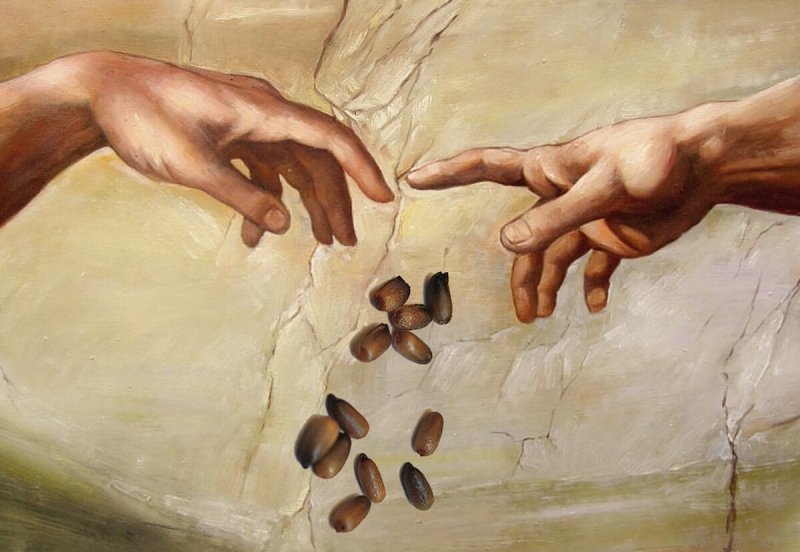
Religious views on GMOs are as varied as religious traditions themselves, but there are some common theological threads. Chief among them: the belief that to change genetic material is to play God. For those in this camp—where the rallying cry is: “GMO stands for God Move Over”—there’s a big difference between traditional plant breeding, which can only be performed with somewhat related species, and genetic engineering, where there are no such limits.
Some Jews, too, see genetic engineering as heedless chutzpah. Zelig Golden is the founder of Wilderness Torah, a Berkeley-based organization that “reconnects Jewish community and tradition to its ancient, Earth-based roots,” as a rabbinical student. He’s also an attorney who has worked for the Center for Food Safety, an advocacy group. With the smooth rhetoric of a lawyer, Golden argues that GMOs violate kil’ayim, the Jewish prohibition on mixing species.

But the leading U.S. kosher-certification agencies currently view GMO foods as kosher, reasoning, basically, that since many of the effects of genetic manipulation are invisible to the consumer, they don’t present a problem. To Golden, such interpretations are hopelessly out of touch.
The GLP aggregated and excerpted this blog/article to reflect the diversity of news, opinion and analysis. Read full, original post: WWJD about GMOs?