What happens if GM fish get released in wild? Lessons from GloFish suggest minimal concerns

In 2003, a flashy little fish swam into the U.S. market, becoming the newest fad — and the newest controversy — among U.S. aquarium enthusiasts.

GloFish, as they’re called, are fish that have been genetically modified by scientists into fancier, more colorful versions of themselves by using genes snatched from other organisms, such as sea anemones.

But while GloFish make a striking addition to your average aquarium, concerns quickly arose — as they often do in conversations about GMOs — over how safe the little guys actually are. The federal Food and Drug Administration issued a statement shortly after their release on the market, claiming, “There is no evidence that these genetically engineered zebra danio fish pose any more threat to the environment than their unmodified counterparts which have long been widely sold in the United States.” Today, GloFish remain the only transgenic animals approved for sale to the public by the FDA.

Even so, the question has lingered until now: If they were ever to get loose in the wild, what kind of effect would they have on the natural environment?
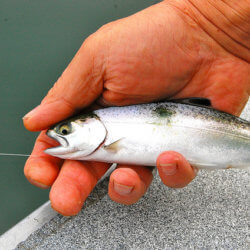
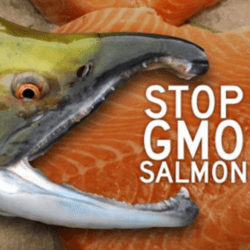
Now, a new study published in the journal Evolution may finally put GloFish enthusiasts at ease. It turns out that at least one species — the zebrafish — is unlikely to do any damage in the wild thanks to its abysmal breeding success.

And when it comes to GMOs, looking at these kinds of evolutionary outcomes can be an effective way of approaching conversations about their safety and their environmental risks, according to William Muir. “This is such a heated and charged argument and so filled with emotion that as a scientist you say, ‘Let the data speak for itself,’ ” he says.

The GLP aggregated and excerpted this blog/article to reflect the diversity of news, opinion and analysis. Read full, original post: No, genetically modified pet fish are not going to wreak ecological havoc

{{ reviewsTotal }}{{ options.labels.singularReviewCountLabel }}
{{ reviewsTotal }}{{ options.labels.pluralReviewCountLabel }}
{{ options.labels.noReviewsLabel }}
{{ options.labels.newReviewButton }}
{{ userData.canReview.message }}

Related Articles

Infographic: Global regulatory and health research agencies on whether glyphosate causes cancer

Infographic: Global regulatory and health research agencies on whether glyphosate causes cancer

Does glyphosate—the world's most heavily-used herbicide—pose serious harm to humans? Is it carcinogenic? Those issues are of both legal and ...

Most Popular

ChatGPT-Image-Mar-10-2026-01_39_01-PM
Viewpoint—“Miracle molecule” debunked: Why acemannan supplements don’t work
Screenshot 2026-07-11 094410
Growing animal muscle and fat cells inside rice grains and calling it beef: One of numerous genetically engineered products shaking up our ecosystem
file-f-d-d-
Facts & Fallacies Podcast: Europe's AC debacle underscores fatal flaw in green activism
Screenshot-2026-07-16-at-11.32.12-AM
Viewpoint: Trump appoints climate change hoax promoter to head influential government policy project
Screenshot 2026-07-16 at 8.49
Pete Hegseth’s bizarre Viagra commercial as Trump administration endorses ‘hormone replacement therapy’
ChatGPT-Image-Jun-25-2026-12_23_17-PM
No, Bill Gates did not secretly engineer ticks to promote veganism
Screenshot-2026-07-16-at-6.02.54-PM
Wellness grifters overwhelm information channels in the developing world, and the problem is escalating
Screenshot 2025-09-17 at 12.41
Misinformation alert: No, glyphosate use in Canadian forests is not spurring more wildfires
ChatGPT-Image-Jul-9-2026-02_39_22-PM
Viewpoint: Polyphenols or NAD+ supplements to combat aging: No, Gwenyth Paltrow and followers, don’t waste your money.
Screenshot-2026-07-16-at-12.08.38-PM
Viewpoint: With trust in doctors and mainstream medicine collapsing, medical professionals need a new communications strategy
ChatGPT-Image-Jul-1-2026-03_33_49-PM
‘Alternative’ cancer treatments that could kill you
Screenshot-2026-07-08-at-9.36.03-AM
Viewpoint: Long-contained diseases are on the rise in the U.S. Are Trump cuts to blame?

Sorry. No data so far.

glp menu logo outlined

Get news on human & agricultural genetics and biotechnology delivered to your inbox.