Monsanto’s herbicide glyphosate — trade name RoundUp — which is used on most genetically engineered crops (also known as GMOs), is sparking new and serious concern, not just among GMO opponents but among health and environment experts globally.
So what’s the problem here? Glyphosate (RoundUp) has long been touted as virtually harmless. EPA doesn’t even bother to test for residues in food, having decided years ago they pose little risk. But in March of this year, 17 experts from 11 countries meeting at the World Health Organization International Agency for Research on Cancer (IARC), unanimously agreed to re-classify glyphosate as “probably carcinogenic to humans” (e.g. Group 2A).
Health risks are not the only new concern. The vast increase in herbicide use associated with GMO crops, virtually all due to glyphosate (RoundUp), has also caused a substantial increase in glyphosate-tolerant weeds, dubbed “super weeds” by some.
Widespread use of glyphosate on engineered crops throughout the Corn Belt also appears primarily responsible for a large decline in Monarch butterfly populations because the herbicide eradicates milkweed, on which the butterfly depends for food.

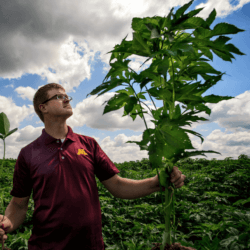



The biotech industry’s primary answer to the super weed problem so far has been to develop crops (corn and soy) that are resistant to other herbicides such as 2,4-D and dicamba. But some scientists think these are even more toxic than glyphosate.
Whether you march against Monsanto or not, there are clearly new safety concerns — the cancer risks — and environmental impacts — superweeds and Monarch losses — linked to Monsanto’s herbicide. They demand serious consideration by regulators.
The GLP aggregated and excerpted this blog/article to reflect the diversity of news, opinion and analysis. Read full, original post: Monsanto, RoundUp and Junk Science