Augusta, Ga. Chronicle editorial: Mandatory GMO labels are demonization tactic

GMO labeling

The only thing that could be worse than having unnecessary GMO labels on food is having 50 different kinds of unnecessary GMO labels on food.

Fortunately, a bipartisan bill in Congress – the Safe and Accurate Food Labeling Act – aims to create a uniform, science-based labeling standard for food containing GMOs, or “genetically modified organisms.”

Sponsored by U.S. Rep. Mike Pompeo, R-Kan., the bill would give sole labeling authority to the U.S. Food and Drug Administration, heading off a costly and confusing hodgepodge of state-based GMO label laws that could hurt farmers, baffle consumers and raise food costs for families.

While this page generally supports giving state and local governments more authority and autonomy, food labeling is an issue where uniformity is in the nation’s best interest. Just as Americans expect Nevada’s speed limit signs to look like North Dakota’s, we should expect consistent labeling on our favorite grocery items nationwide.

But the far left, backed by a growing organic food lobby, is in a tizzy because the bill would nullify GMO-label laws in states such as Vermont and Connecticut, and institute a national standard that, rightfully, considers GMOs safe and not materially different from non-GMO foods.

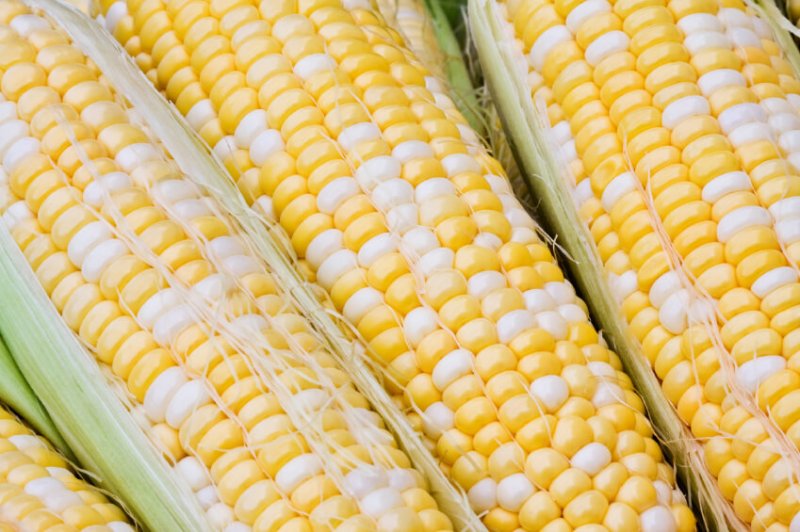
In other words, GMO corn is still just “corn.”

Liberals decry the measure as the “Denying Americans the Right to Know” (DARK) Act,” but there’s absolutely no sincerity to their demand for transparency. They don’t want to inform consumers as much as they want to make “GMO” a dirty word and put it out of business.

The GLP aggregated and excerpted this blog/article to reflect the diversity of news, opinion and analysis. Read full, original post: No labels necessary

{{ reviewsTotal }}{{ options.labels.singularReviewCountLabel }}
{{ reviewsTotal }}{{ options.labels.pluralReviewCountLabel }}
{{ options.labels.newReviewButton }}
{{ userData.canReview.message }}

Related Articles

Infographic: Global regulatory and health research agencies on whether glyphosate causes cancer

Infographic: Global regulatory and health research agencies on whether glyphosate causes cancer

Does glyphosate—the world's most heavily-used herbicide—pose serious harm to humans? Is it carcinogenic? Those issues are of both legal and ...

Most Popular

Screenshot-2026-04-22-at-12.21.32-PM
Viewpoint: Why the retracted Monsanto glyphosate study doesn’t change the science—the world’s most popular herbicide is safe 
ChatGPT-Image-Apr-16-2026-02_56_53-PM
Financial incentives, over diagnosis, and weak oversight: Autism claims are driving up Medicare costs
Picture1
The FDA couldn’t find a vaccine safety crisis, so it buried its own research
ChatGPT-Image-May-1-2026-11_42_59-AM-2
Viewpoint: NAD is the wellness grifters latest evidence-lite longevity fad. At least the mice are impressed.
global warming
‘Implausible’: Top climate scientists reject worst-case scenario—soaring temperatures and fast-rising sea levels
Screenshot-2026-05-21-at-12.15.17-PM
UK gene-editing milestone: Livestock barley that increases ruminant value and reduces methane emissions is first-approved CRISPR crop
Screenshot-2026-05-21-at-3.15.53-PM
Chiropractors may no longer be modern-day snake oil salesmen, but the benefits of their therapy are limited–at best

Sorry. No data so far.

glp menu logo outlined

Get news on human & agricultural genetics and biotechnology delivered to your inbox.