The GLP aggregated and excerpted this blog/article to reflect the diversity of news, opinion and analysis.
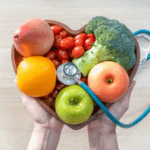
Loud voices dismiss organic food as nothing more than a trendy 21st-century lifestyle choice for the neurotic rich, but this is a phony argument. There’s nothing new about organics – until the 1950s, all the food we ate was organically produced. And the reasons for eating organic food are becoming more compelling, not less.
If health is your main concern, the biggest reason is limiting your exposure to the residues of pesticides that are routinely found in non-organic food.
Avoiding food additives is another persuasive health reason for eating organic. Only additives derived from natural sources, such as lecithin and citric acid, are allowed in organic food and no artificial colourings or flavorings are permitted.
Evidence is emerging to suggest that GM crops increase the use of pesticides, produce super-weeds and super-pests, and compromise animal, and possibly human, health.

If animal welfare is a prime concern for you, organic is a good choice. Organic farmers only treat their animals with antibiotics when they show clinical signs of illness; not to promote growth or pre-empt diseases endemic to intensive farming.
Because organic farming methods are more benign, wildlife is 50 percent more abundant on organic farms, organic farms support on average 75 percent more plant species, and have 50% more species of pollinators than non-organic farms.
Can you afford organic? The annoying thing is that because the true environmental and health costs of chemical agriculture (pollution, soil erosion, ill health, animal suffering and more) are not accounted for up front in calculations of the “efficiency” of our existing food system, organic food generally costs more. But choosing organic whenever you can nevertheless makes good sense.
Read full, original post: Why should I eat organic? You asked Google – here’s the answer