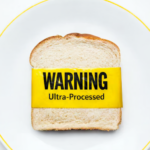
Over at Slate Will Saletan has a very long piece Unhealthy Fixation: The war against genetically modified organisms is full of fearmongering, errors, and fraud. Labeling them will not make you safer. The survey is useful if you are unfamiliar with the topic, though it will be sadly familiar to the rest of us.
The fact is that the majority of the public remains skeptical of GMO foods. And large majorities support labeling.
But most peoples’ opinions are inchoate and instinctive. I believe they derive from folk biological intuitions about essences. Ultimately it’s about the fact that people don’t understand genes in any prosaic sense, but they think that they’re somehow magically involved in the nexus of who we are in a deep and fundamental sense. That’s why the translocation of fish genes into tomato is so uncomfortable for people; they imagine that the essence of the fish is somehow being mixed with the essence of the tomato, and that just feels wrong. Genophobia of this sort is comprehensible in a cognitive anthropological framework. Just as we are likely wired for Creationism, I think we’re wired for being very skeptical of the concept of GMO, because of the implicit connotations of muddling categories which we view was fundamental. And, just like Creationism, we can overcome these deep intuitions. Much of natural science in the modern world consists of overcoming and updating of deep intuitions.

Unlike evolution, GMO are not just abstractions in a laboratory. When GMO becomes pervasive enough, or at least the knowledge of how pervasive they are becomes more common, then the public will likely make peace with their reservations, just as they have with in vitro fertilization.
The GLP aggregated and excerpted this blog/article to reflect the diversity of news, opinion and analysis. Read full, original post: The Cognitive Roots of Genophobia