For $150,000, you could buy a ticket for a suborbital tourist space flight, pay off your student loans, possibly even buy a house, or immunize thousands of children in Somalia against polio, but how about cloning your pet? That’s what Edgar and Nina Otto did back in 2009. After keeping the DNA of their deceased Labrador, Sir Lancelot, in frozen storage for a year while the technology developed, the Florida couple traveled to Sooam Biotech in South Korea, where the DNA was injected into a host egg to create an embryo genetically identical to Lancelot.
Dubbed Lancelot Encore, the puppy became the first commercially cloned dog, but not the first commercially cloned pet; that honor goes to a cat, Little Nicky, who was created for a mere $50,000.
More recently, others have followed in the Otto’s footsteps, and the price of the dog cloning procedure at Sooam has now dipped below $100,000. And there’s competition from another South Korean company, RNL Bio, leading to what Time Magazine has dubbed “South Korea’s Pet Clone Wars“.
Harsh criticism
Scanning the reader comments on various pet cloning articles in popular media, most people appear to be negative. Some are more polite, others more harsh, but many make the point that, of course, the clone is a completely new animal and not a replica of the deceased pet. In the words of cloning expert, Robert Lanza, chief scientific officer at Advanced Cell Technology,
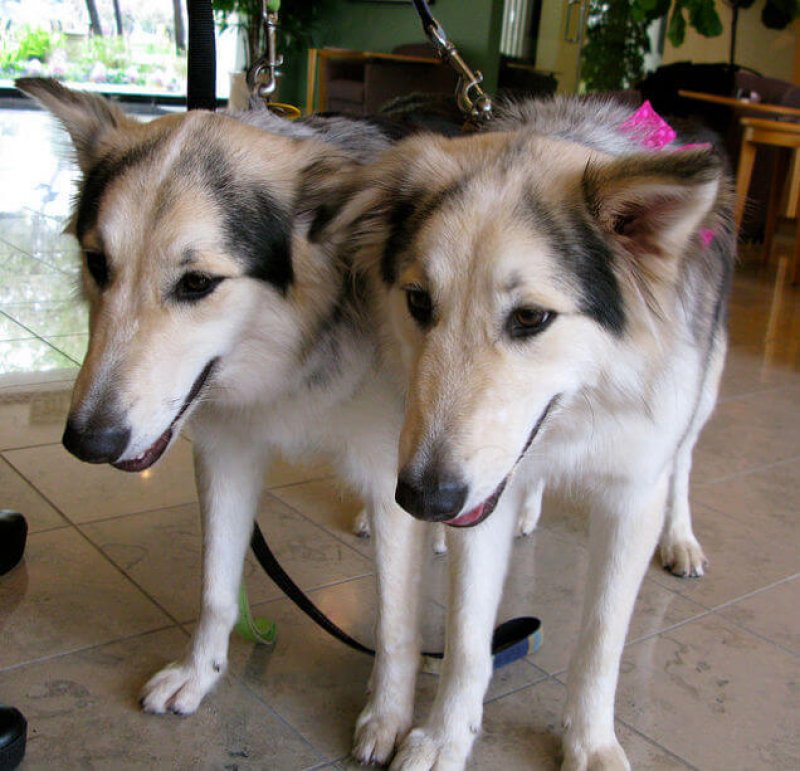
Anyone who thinks they might be able to get Spot or Fluffy back is mistaken. Cloned animals have distinct personalities, just like identical twins.
Beyond criticism of the clients who get their pets clone, it should be no surprise that the budding pet cloning industry is getting harsh criticism from animal rights groups, along with pretty much anyone concerned with social justice. People are putting so much money and effort into reproducing essentially a different animal that merely resembles somebody’s deceased pet when the money could be used to help thousands of homeless dogs and cats, or for that matter to help human society, but this is not the only ethical issue.
While Sooam has cloned hundreds of animals and provided many families what they’ve requested, including Lancelot Encore who has since grown up to father many of his own puppies, many clones do not survive on account of medical abnormalities. According to Lanza,

Anyone who wants to have their pet cloned should ask themselves if they are willing to have one or two defective copies of “Fluffy” or “Spot” put down in order to get their pet back.
Also, even when several healthy clones are produced in one litter, the client may want just one of them.
Beyond pet duplication
Sooam is now partnering with a Chinese company, BoyaLife, to expand into China where the goal is not merely to provide private individuals with duplicates of their deceased pets for emotional reasons. Instead, the idea is to clone very special sniffer dogs. Employed for police work and bomb sniffing, or for sniffing out cancer and other medical conditions, especially talented sniffer are not so easily bred. Moreover, BoyaLife is not thinking only about dogs and cats.
“Dogs are the entry point…We want to do all this not just for profit, but also for history.” says Dr. Xu Xiao-chun, BoyaLife’s CEO who emphasizes that the company will be expanding to cow cloning to increase beef production. That sounds practical, but along with that he also is considering something a little more exotic side, but also perfectly appropriate for China: cloning a giant panda.
David Warmflash is an astrobiologist, physician, and science writer. Follow @CosmicEvolution to read what he is saying on Twitter.