GMOs essential to life-saving medicines and other uses, even if you don’t want them in food

Screen Shot at PM

The GLP aggregated and excerpted this blog/article to reflect the diversity of news, opinion and analysis.

GMOs in agriculture are just one small part of a much bigger story. GMO science and its applications are everywhere around us. And GMO technology is saving lives every day.

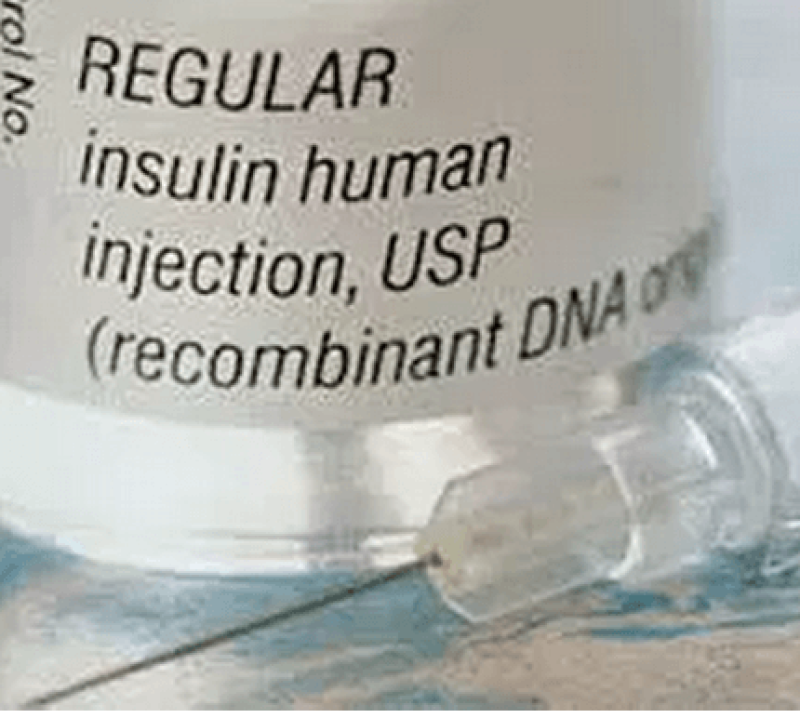
GMOS are found in life-enhancing and life-saving medicines. Take diabetes. In the past insulin was derived from slaughtered pigs and sometimes caused allergic reactions. In the late 1970s and early 1980s, scientists developed a new form of insulin made by genetically modified bacteria. GMO proteins like this “actually have an enhanced safety profile.”

Several forms of cancer, including brain, colorectal and cervical, are commonly treated with a marvel of GMO technology called Avastin bevacizumab. People who suffer from anemia, many take epoetin alfa, a hormone produced through genetic modification.

GMO vaccines to fight cholera, malaria, and many other diseases for which non-GMO methods have proved ineffective are under development.

Even the enzymes used in laundry detergents today have been genetically modified. These enzymes have benefitted the environment by enabling the use of energy saving cold water washing.

The examples I shared come from other industries and companies – not agriculture and not Monsanto. They illustrate a simple point: GMOs are important, pervasive and often unrecognized part of our daily lives. When people take an overly narrow and reductionist view of GMO science, when they see it as dealing only with crops, this vital perspective is easily lost. We need to be able to use science — including genetic modification — to help solve problems we face today and tomorrow.

Read full, original post: Surprise! GMOs aren’t just in the foods you eat

{{ reviewsTotal }}{{ options.labels.singularReviewCountLabel }}
{{ reviewsTotal }}{{ options.labels.pluralReviewCountLabel }}
{{ options.labels.newReviewButton }}
{{ userData.canReview.message }}

Related Articles

Infographic: Global regulatory and health research agencies on whether glyphosate causes cancer

Infographic: Global regulatory and health research agencies on whether glyphosate causes cancer

Does glyphosate—the world's most heavily-used herbicide—pose serious harm to humans? Is it carcinogenic? Those issues are of both legal and ...

Most Popular

Picture1
The Orange Bowl without oranges: Can CRISPR save Florida citrus?
global warming
‘Implausible’: Top climate scientists reject worst-case scenario—soaring temperatures and fast-rising sea levels
vax-misinformation-main
Facts & Fallacies Podcast: Limit free speech to blunt social media misinfo?
Screenshot 2026-05-22 at 11.31
‘Realistic and durable’: EPA proposes loosening restrictions on some PFAS ‘forever chemicals.’
ChatGPT Image May 26, 2026, 12_06_53 PM
Fake Ebola cure promoters already cashing in as disinformation videos flood social media
ChatGPT-Image-May-1-2026-11_42_59-AM-2
Viewpoint: NAD is the wellness grifters latest evidence-lite longevity fad. At least the mice are impressed.
Screenshot-2026-04-22-at-12.21.32-PM
Viewpoint: Why the retracted Monsanto glyphosate study doesn’t change the science—the world’s most popular herbicide is safe 
ChatGPT Image May 24, 2026, 03_16_36 PM
Here come the biohackers' Enhanced Games—The Olympics for athletes doping up on steroids, hormones and peptides. What’s wrong with that?
Screenshot-2026-05-21-at-12.15.17-PM
UK gene-editing milestone: Livestock barley that increases ruminant value and reduces methane emissions is first-approved CRISPR crop
Picture1
The FDA couldn’t find a vaccine safety crisis, so it buried its own research
glp menu logo outlined

Get news on human & agricultural genetics and biotechnology delivered to your inbox.