Movie fact check: Could Martian explorer survive radiation?

the martian t

The GLP aggregated and excerpted this blog/article to reflect the diversity of news, opinion and analysis. 

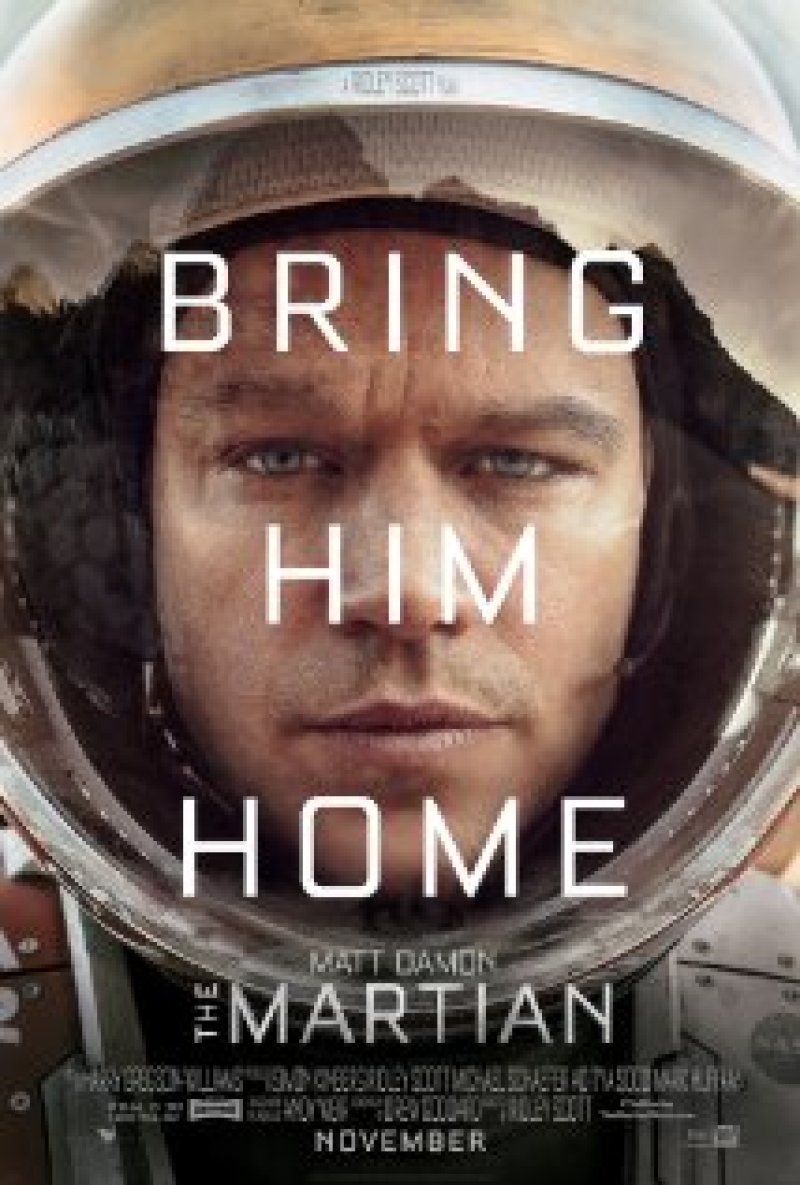
In the newly released The Martian, a stranded astronaut must figure out how to survive on the Red Planet after being accidentally left behind when the rest of his crew escapes a violent dust storm. Explorer Mark Watney spends many months trying to make water, grow food and send an SOS signal back to Earth. Most of the tools he uses in the film are based on existing or in-development technology. The one major exception is the radiation-blocking material that allows Watney to spend much of his days outside his habitat, on the surface of a planet that lacks Earth’s atmosphere and is thus bathed in significantly higher levels of damaging radiation.

“In the book they have this really thin, light, flexible material that blocks all radiation,” says Andy Weir, author of the book The Martian on which the film was based. “There’s nothing even remotely like that in the real world. That was the magic I gave him so the story would progress. Otherwise Mark would have different kinds of cancer.”

Scientists differ on how dangerous the radiation levels on Mars would actually be for future explorers. The first on-the-ground radiation measurements came from NASA’s Curiosity rover in 2013, which suggested that astronauts who spent a year traveling to and from Mars and 500 days on the surface would receive a radiation dose of about one Sievert, equivalent to a roughly five percent increased lifetime risk of cancer compared to a lifetime of exposure back on Earth.

Read full, original post: ‘Martian’ Astronaut Would Get Cancer if Mission Were Real, Author Says

Related Articles

Infographic: Global regulatory and health research agencies on whether glyphosate causes cancer

Infographic: Global regulatory and health research agencies on whether glyphosate causes cancer

Does glyphosate—the world's most heavily-used herbicide—pose serious harm to humans? Is it carcinogenic? Those issues are of both legal and ...

Most Popular

ChatGPT-Image-Aug-4-2026-10_15_14-AM
Viewpoint—A hard look at the Fauci diaries: Do they change what we know about COVID’s origins?
ChatGPT-Image-Mar-10-2026-01_39_01-PM
Viewpoint—“Miracle molecule” debunked: Why acemannan supplements don’t work
Picture1
Hiroshima at 81: America’s new nuclear bomb, a buried Iranian target, and a question no one wants to ask
ChatGPT-Image-Aug-4-2026-12_42_58-PM
Viewpoint: Fact-checking CNN interview with RFK, Jr. underscores the depth of his disinformation delusions
ChatGPT-Image-Jul-17-2026-09_50_27-AM
Viewpoint: How disease tracking and prevention has cratered under the Kennedy-Trump administration
ChatGPT-Image-Aug-4-2026-07_52_00-PM
No liability for scientific due diligence: California Supreme Court rejects bizarre lawsuit faulting Gilead for fully evaluating HIV drug before release
ChatGPT-Image-Aug-4-2026-09_31_50-AM-2
Viewpoint: Could the U.S. become dependent on China to develop critical new genetic and drug therapies?
png livestock cow cattle a
Consumer skepticism about gene-edited milk is neither fixed nor particularly high—and falls even more if it’s priced lower
ChatGPT-Image-Aug-4-2026-02_05_46-PM
Does Congress have the guts to successfully challenge Trump’s politicization of science funding?
Screenshot-2026-07-17-at-1.34.59-PM
Poll: Vaccine hesitancy soars when patients distrust health providers and turn to social media
Screenshot-2026-07-31-at-10.52.03-AM
Love sweets and fatty foods? You can blame your genes, but there are ways to quell the obsessions

ChatGPT Image Jul 29, 2026, 09_08_15 AM 2
The retreat of environmental extremism: Why activist NGOs are losing favor
glp menu logo outlined

Get news on human & agricultural genetics and biotechnology delivered to your inbox.