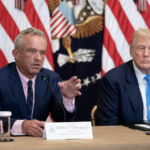
Does Congress have the guts to successfully challenge Trump’s politicization of science funding?

The U.S. Senate is emerging as a potential bulwark against proposed rule changes that would give government bureaucrats more control over scientific funding.

A draft agreement to fund the government through December 11 that was released on [August 2, 2026] would extend the current system for the disbursement of science-related grants …. If this continuing resolution were to pass, it would effectively stall the Office of Budget Management’s (OMB’s) proposed rule changes from coming into effect until at least that date. …

Follow the latest news and policy debates on sustainable agriculture, biomedicine, and other ‘disruptive’ innovations. Subscribe to our newsletter.

“The Senate bill forces OMB to continue reviewing the half-million comments that were submitted, but Congress must permanently prevent this corrupt, harmful power grab before the new deadline of December 11,” [said Representative Rosa DeLauro of Connecticut, ranking member of the House Committee on Appropriations].

The OMB’s proposed changes would give political appointees, rather than the current system of panels of independent peer reviewers, the power to review and decide which research grants get funding from federal agencies.
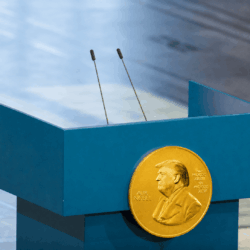
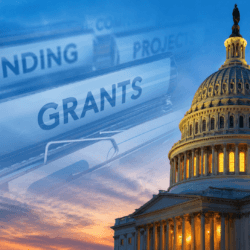
Scientists rushed to condemn the proposal during the public comment period, which closed on July 13. Critics included several Nobel laureates, who warned it would politicize the scientific process and greatly damage U.S. scientific advancement.


This is an excerpt. Read the original post here

Related Articles

Infographic: Global regulatory and health research agencies on whether glyphosate causes cancer

Infographic: Global regulatory and health research agencies on whether glyphosate causes cancer

Does glyphosate—the world's most heavily-used herbicide—pose serious harm to humans? Is it carcinogenic? Those issues are of both legal and ...

Most Popular

Picture1
Hiroshima at 81: America’s new nuclear bomb, a buried Iranian target, and a question no one wants to ask
ChatGPT-Image-Mar-10-2026-01_39_01-PM
Viewpoint—“Miracle molecule” debunked: Why acemannan supplements don’t work
ChatGPT-Image-Aug-4-2026-10_15_14-AM
Viewpoint—A hard look at the Fauci diaries: Do they change what we know about COVID’s origins?
png livestock cow cattle a
Consumer skepticism about gene-edited milk is neither fixed nor particularly high—and falls even more if it’s priced lower
ChatGPT-Image-Jul-31-2026-07_35_35-AM
Wikipedia has assembled an informative list of fake news websites from across the ideological spectrum
Screenshot-2026-07-31-at-10.52.03-AM
Love sweets and fatty foods? You can blame your genes, but there are ways to quell the obsessions
Screenshot-2026-08-03-at-2.25.49-PM
As measles vaccination rates collapse, scientists push for treatments long considered unnecessary
ChatGPT Image Jul 29, 2026, 09_08_15 AM 2
The retreat of environmental extremism: Why activist NGOs are losing favor
Screenshot-2026-08-03-at-2.15.16-PM
Viewpoint: Trump’s relaxed controls on supplying China with microchips could undermine U.S. AI dominance
ChatGPT-Image-Aug-4-2026-12_42_58-PM
Viewpoint: Fact-checking CNN interview with RFK, Jr. underscores the depth of his disinformation delusions
ChatGPT Image Jul 29, 2026, 10_17_59 AM
Viewpoint: What does it mean when critics of conventional agriculture say many fruits and vegetables are “linked” to pesticide poisoning?
ChatGPT-Image-Aug-4-2026-09_31_50-AM-2
Viewpoint: Could the U.S. become dependent on China to develop critical new genetic and drug therapies?
Screenshot-2026-07-17-at-1.34.59-PM
Poll: Vaccine hesitancy soars when patients distrust health providers and turn to social media
glp menu logo outlined

Get news on human & agricultural genetics and biotechnology delivered to your inbox.