
The GLP aggregated and excerpted this blog/article to reflect the diversity of news, opinion and analysis.
Misinformation has become a huge problem on the internet. How does one who is not an expert in any given field separate the bunk from the real thing?
You would think that search engines such as Google would help in separating the bunk from the good stuff. However, as recently reported in the New York Times, that is not necessarily the case and the algorithms themselves may lead to bias.
Try a Google image search for GMO. There is a clear bias against the technology and misinformation about both how a genetically modified organism is created and how one would look.
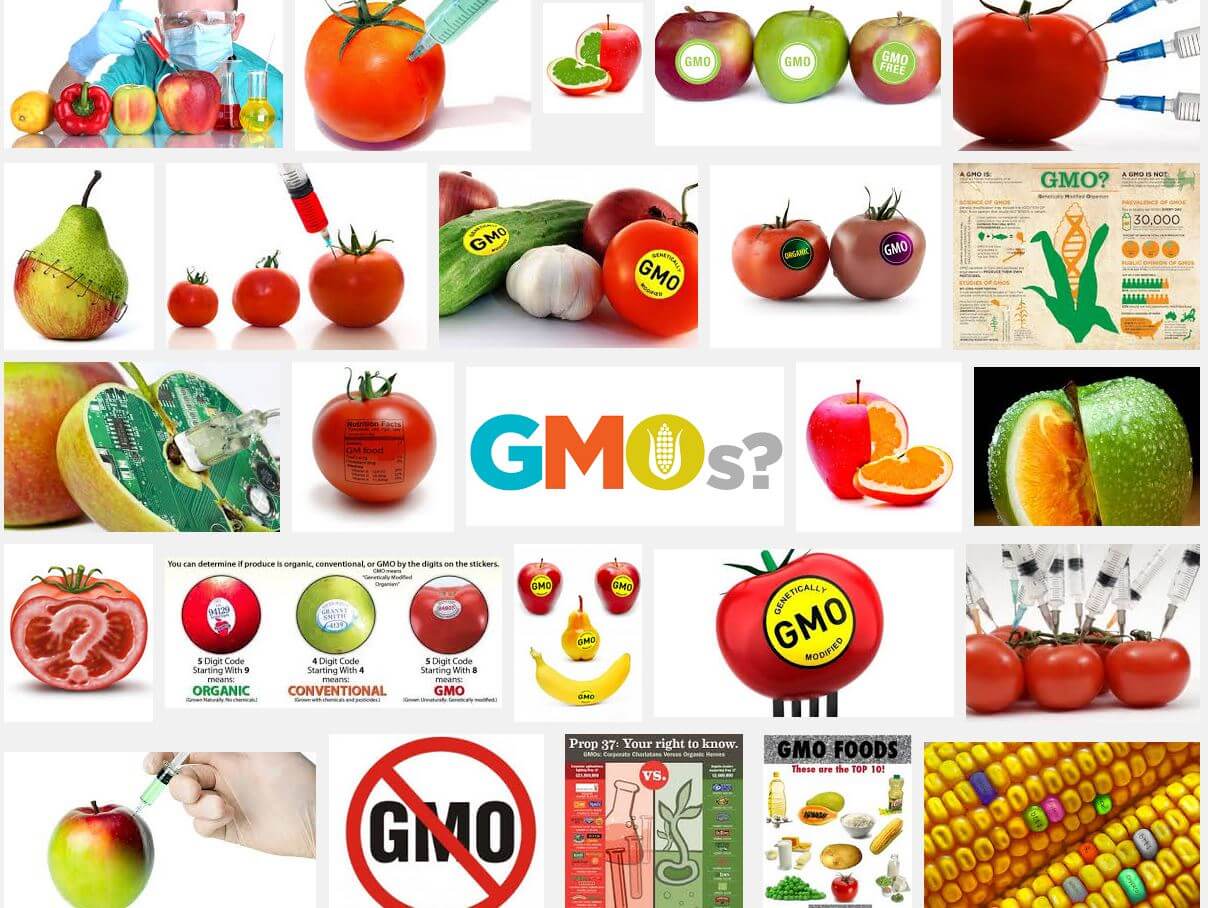





The above is NOT how genetic engineering is done. In 20 years of working as a research scientist I never once used a needle to inject genetic code into anything. If you want to know how the process is done and what actual genetically engineered crops look like, I encourage you to go to GMOAnswers and ask questions. It’s okay to have and to ask questions. It’s not okay to present the entire field of study as it’s depicted above.
Now try googling “organic”. Notice how everything is green and calming and pleasing to the eye? You can see a very clear bias toward organic.
So what does this mean to the average person who just wants to find reliable information online? It means a few things:
- Be aware that there is considerable bias in how information is presented.
- Watch out for Appeals to Emotion.
- Watch out for Appeals to Nature.
- When experts in the field disagree, find the basis for the argument and the common ground. If possible ask them to explain.
Read full, original post: The Pervasiveness of Misinformation