Gene therapy, not editing, saved baby Layla

The GLP aggregated and excerpted this blog/article to reflect the diversity of news, opinion and analysis. 

I had planned to blast the news of the use of gene-editing to save a British baby from aggressive leukemia. “Two months later, Layla was cancer-free,” proclaimed one of many enthusiastic reports.

I’m always skeptical when I hear the words “cancer” and “cure” in the same sentence, let alone uttered so soon after treatment and without an accompanying technical paper so I can see the data. But when I considered the timing of unfolding events, I realized that the seemingly premature reporting of Layla’s rapidly restored health just might add an important point to the heated discussion over gene and genome editing. That is, can we keep the promising clinical applications on somatic cells, while forbidding the Frankenstein scenarios of germline manipulation?
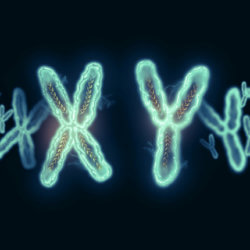
In the rush to get stories out, some media reports muddled gene editing and gene therapy. I noticed right away that the first sentence of the Wall Street Journal article linked “gene-editing technique” to an article about the very gene therapy that I wrote my book about, for a form of hereditary blindness. It adds a gene that doesn’t integrate into a chromosome. Other gene therapies stick the healing genes into chromosomes somewhat randomly. Gene editing, in contrast, switches out or replaces a gene at its precise location in a chromosome. The distinction isn’t just genetic jargon — it could mean the difference between a sustained effect and one that fades as modified cells divide.

Read full, original post: Will Layla Save Gene Editing?

{{ reviewsTotal }}{{ options.labels.singularReviewCountLabel }}
{{ reviewsTotal }}{{ options.labels.pluralReviewCountLabel }}
{{ options.labels.newReviewButton }}
{{ userData.canReview.message }}

Related Articles

Infographic: Global regulatory and health research agencies on whether glyphosate causes cancer

Infographic: Global regulatory and health research agencies on whether glyphosate causes cancer

Does glyphosate—the world's most heavily-used herbicide—pose serious harm to humans? Is it carcinogenic? Those issues are of both legal and ...

Most Popular

ChatGPT-Image-Jun-9-2026-01_11_37-PM
Turmeric supplements: More risks than benefits
Screenshot-2026-06-05-at-2.12.30-PM
Some plants can poison you. So how did humans figure out what is safe to eat?
Screenshot-2026-06-17-at-9.44.03-AM
Viewpoint: Embryos are becoming the newest battleground of love, loss, and legal uncertainty
ChatGPT-Image-Mar-10-2026-01_39_01-PM
Viewpoint—“Miracle molecule” debunked: Why acemannan supplements don’t work
wuhan institute of virology main entrance
​​COVID lab leak? Making a case that the Wuhan market origins theory is wrong
ChatGPT-Image-Jun-14-2026-09_41_44-AM-2
Viewpoint—‘The gleeful efficiency of an arsonist’: Administration’s health and science research cuts are ‘sabotaging’ America’s future
ChatGPT-Image-Jun-11-2026-01_15_03-PM
Selective Pressure, Selective Silence
ChatGPT Image May 26, 2026, 08_42_17 AM (1)
Viewpoint: Greenpeace and poison: How environmental advocacy groups rely on compliant (and often ignorant) journalists to spread disinformation and spark litigation
ChatGPT-Image-May-18-2026-12_06_18-PM-2
Defying death: The immortality movement goes mainstream

Sorry. No data so far.

glp menu logo outlined

Get news on human & agricultural genetics and biotechnology delivered to your inbox.