The GLP aggregated and excerpted this blog/article to reflect the diversity of news, opinion and analysis.
. . .If you think of all scientists at universities as pure at heart, think again.
As federal funding has fallen, some university scientists have allied themselves with corporate interests. . . Separate investigations by the Senate caught scientists allowing companies to edit their journal articles, prepare their testimony before the F.D.A. and secretly pay them to testify before the Senate. These investigations, based in part on a review of emails, helped catalyze reforms requiring the government and universities to become more transparent in their research practices. . .
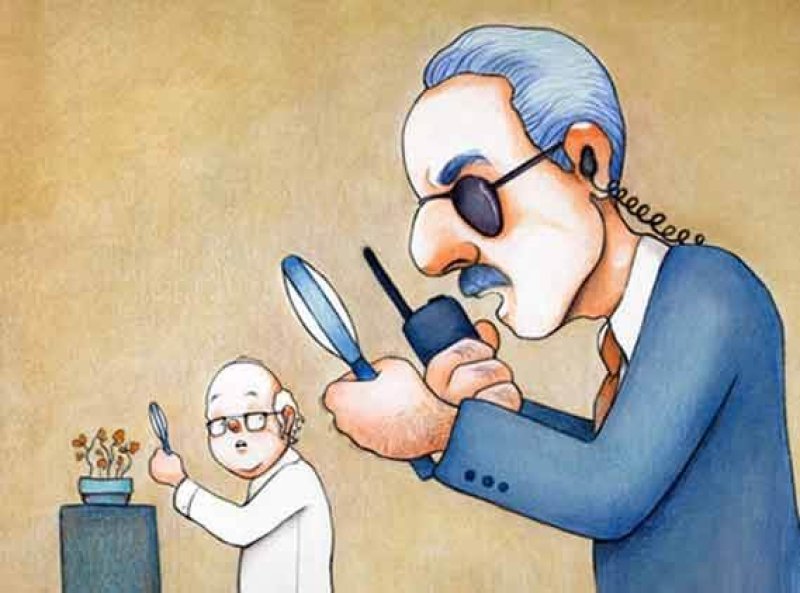
But don’t try to explain this to many scientists. The scientific community loves to toss around the term “transparency,” but it mostly remains a buzzword. . .
As interest groups on both the left and right increasingly try to politicize the scientific process, there’s little question that there will be misuse of the Freedom of Information laws that some journalists and watchdog organizations have used to uncover wrongdoing.

Scientists have been harassed in the past and no doubt will continue to be harassed in the future, just like other public servants. . . In turn, scientists are free to fight these information requests or seek to narrow the scope of the inquiries to protect against what they believe threatens the integrity of the scientific process or chills research.
But the harassment argument should not be used as an excuse to bar access to scientific research that the public is paying for and has a legitimate interest in seeing.
Whenever scientists argue against transparency, they inevitably tie themselves up in contradictions.
Read full, original post: Scientists, Give Up Your Emails