Italian researcher accused of falsifying research on dangers of GMOs in animal feed

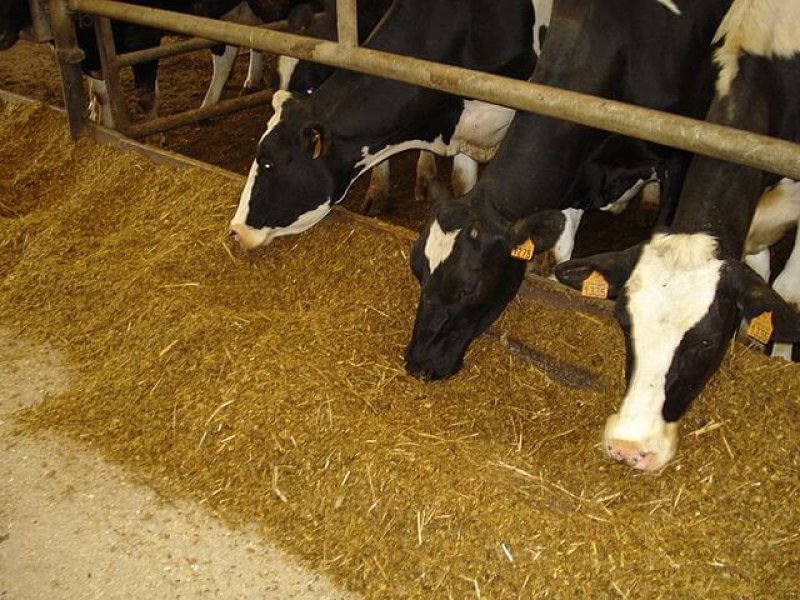
px Cows eating TMR
Photo by Tractorboy60

The GLP aggregated and excerpted this blog/article to reflect the diversity of news, opinion and analysis.

[Translated from the Italian by Google Translate with minor edits for clarity]

Federico Infascelli, professor of Nutrition and Animal Nutrition in the Department of Veterinary Medicine, is accused of falsifying the results of some research about the dangers of feed containing GMOs in animal feed raw materials and products derived therefrom.ย This is a very serious accusation, in the world of scientific research, which exposes him, if confirmed, to criminal charges (third party) and penalties that could suspend hisย ability to publish using the name of the university, suspend himย from the university offices, or may go further, with financial and careerย implications.

A commission of inquiry appointed by the rector specially, Gaetano Manfredi, found very serious infringements, hardly the result of an oversight, but rather aimed at a clear goal: to invent outright a false ย experimental result that demonstrates the dangers of GMOs.

. . . the scientific journal “Animal”ย asked Infascelli toย retract his publication. A retraction was called for becauseย Infascelli has not demonstrated the absence of manipulation, has provided incomplete explanations and has shownย “very poor laboratory practices”.

Read full, original post:ย GMO research: A professor at Federico II of Naples is accused of falsifying research resultsย (Italian)ย Or in English here

{{ reviewsTotal }}{{ options.labels.singularReviewCountLabel }}
{{ reviewsTotal }}{{ options.labels.pluralReviewCountLabel }}
{{ options.labels.newReviewButton }}
{{ userData.canReview.message }}

Related Articles

Infographic: Global regulatory and health research agencies on whether glyphosate causes cancer

Infographic: Global regulatory and health research agencies on whether glyphosate causes cancer

Does glyphosateโ€”the world's most heavily-used herbicideโ€”pose serious harm to humans? Is it carcinogenic? Those issues are of both legal and ...

Most Popular

ChatGPT-Image-May-7-2026-12_16_37-PM-2
Viewpoint: Are cancer rates โ€˜skyrocketingโ€™ as RFK, Jr. and MAHA claim? The evidence says mostly the opposite
Screenshot-2026-04-13-at-1.39.26-PM
Viewpoint: โ€˜Safer for children?โ€™ Stonyfield yogurt under fire for deceptive organic marketing
Screenshot-2026-04-22-at-10.46.29-AM
Viewpoint: How to counter science disinformation? Science journalist offers 12 practical tips
Picture1-14
When superbugs threaten vulnerable children: Can AI help solve antibiotic resistance?
Screenshot-2026-04-23-at-11.00.36-AM
Regulators' dilemma: Thalidomide, Metformin, and the cost of getting drug approvals wrong
Picture1-1
Cooling the planet with balloons: Could a geoengineering gamble slow global warming?
ChatGPT-Image-May-12-2026-08_39_41-PM
GLP podcast: Big Pharma, Big Ag, Big Foodโ€”health harming industries or life-saving innovators?
bigstock opioids on chalkboard with rol
GLP podcast: 'Safe injection sites': enabling drug addiction or saving lives?
png-pill-omega-Supp-fish-oil
Millions take omega-3 fish oil for brain health. New research suggests it may do the opposite.

Sorry. No data so far.

glp menu logo outlined

Get news on human & agricultural genetics and biotechnology delivered to your inbox.