Does EU’s delay in approving GMO imports constitute ‘maladministration?’

Screen Shot at AM

The GLP aggregated and excerpted this blog/article to reflect the diversity of news, opinion and analysis.

The European Ombudsman Emily O’Reilly decided that between 2012 and 2014 the European Commission repeatedly failed to meet the legally binding deadline for processing applications for the import of genetically modified organisms (GMOs) for food and feed and did not make its decisions within a reasonable time. “These failures constituted maladministration,” wrote O’Reilly.

“We welcome the Ombudsman’s decision and the recognition that political difficulties cannot justify maladministration. It is encouraging to see that in the last few months the Commission has improved its timelines and we very much look forward to the Commission approving products in compliance with its legal obligations,” commented Nathalie Moll, EuropaBio Secretary General.

EuropaBio has repeatedly called on the Commission to maintain a fully functional and predictable GM approval system, as the use of GM commodities continues to be substantial in the EU. Being so highly dependent on imports, it is crucial for the EU to avoid asynchronous approvals and risks of trade disruptions. This is why in addition to normalising the approval system at Commission level, it is important that increasing timelines for risk assessment at the European Food Safety Authority level receive due attention.

Read full, original post: European Ombudsman on GMOs: Clear Maladministration by the Commission

{{ reviewsTotal }}{{ options.labels.singularReviewCountLabel }}
{{ reviewsTotal }}{{ options.labels.pluralReviewCountLabel }}
{{ options.labels.newReviewButton }}
{{ userData.canReview.message }}

Related Articles

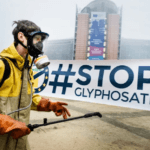
Infographic: Global regulatory and health research agencies on whether glyphosate causes cancer

Infographic: Global regulatory and health research agencies on whether glyphosate causes cancer

Does glyphosate—the world's most heavily-used herbicide—pose serious harm to humans? Is it carcinogenic? Those issues are of both legal and ...

Most Popular

Screenshot 2026-05-06 at 2.56
Singularity crisis ahead? Can super babies save us from rogue AI geniuses?
Screenshot-2026-03-13-at-12.14.04-PM
The FDA wants to make many popular prescription drugs OTC—a great idea. Here’s why it’s unlikely to happen
Screenshot-2026-04-20-at-2.26.27-PM
Viewpoint — Food-fear world: The latest activist scientists campaign: Cancer-causing additives
Screenshot-2026-05-01-at-11.56.24-AM
‘Science moves forward when people are willing to think differently’: Memories of DNA maverick Craig Venter
images
The never-ending GMO debate: Pros and cons
Screenshot-PM-24
Viewpoint: The herbicide glyphosate isn’t perfect. Banning it would be far worse.
Screenshot-2026-04-03-at-11.15.51-AM
Paraben panic: How a flawed study, media hype, and chemophobia convinced the public of the danger of one of the safest classes of preservatives
Screenshot-2026-04-30-at-2.19.37-PM
5 myths about summer dehydration that could damage your health — or even kill you
79d03212-2508-45d0-b427-8e9743ff6432
Viewpoint: The Casey Means hustle—Wellness woo opportunism dressed up as medical wisdom
Screenshot-2026-05-01-at-1.29.41-PM
Viewpoint: What happens when whole grains meet modern food manufacturing? Labels don’t tell the whole story.
Screenshot-2026-05-06-at-2.07.43-PM
Manufacturing a conspiracy: The timeline of how  the White House embraced the fringe claim that scientists are being mysteriously murdered
glp menu logo outlined

Get news on human & agricultural genetics and biotechnology delivered to your inbox.