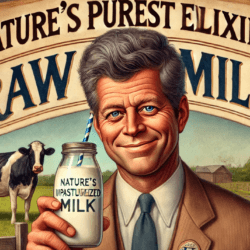
Should we praise or demonize artificial foods?

The GLP aggregated and excerpted this blog/article to reflect the diversity of news, opinion and analysis.

Artificial food. That’s what humans eat. . . ‘Oh yes,’ comes the reply. ‘The more’s the pity. . . It’s high time to return to natural food.’ But, no, I mean artificial in its original sense of man-made, produced by humans, artfully created.

Our distant ancestors found little good in the food that nature provided. Greens had too few calories to sustain life, chewy meat came tightly wrapped in . . . living animals. . . Acquiring and digesting food was a constant struggle.

So sometime in the distant past, . . . members of our species decided they could improve on nature. They discovered how to process raw foods by using fire to cook them, or stones to chop and grind them, or coopting microorganisms to ferment them. They began creating niches for the more edible species, breeding sweeter fruits, less toxic roots. . .

The art of cookery. . . produced more food that, on balance, was nutritious, easier to digest . . . than raw plants and meat. . . .anthropologists such as Richard Wrangham at Harvard have argued that bodies changed as the energy formerly spent on digesting was diverted to brains that increased in size, and society evolved as a response to cooked, and hence communal, meals. . .
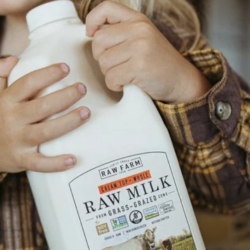
[Y]earning for some ideal past . . . overlooks the fact that more people are better fed . . .  [have] more opportunities in life, all thanks to food processing. . .

We are not . . .  stuck with what nature provides. And our choices have never been wider than they are at present. . . . That’s why it’s a cause for celebration that food is something we make, something we process, something not natural, but artificial. It’s to everyone’s benefit.

Read full, original post: In praise of artificial food

{{ reviewsTotal }}{{ options.labels.singularReviewCountLabel }}
{{ reviewsTotal }}{{ options.labels.pluralReviewCountLabel }}
{{ options.labels.newReviewButton }}
{{ userData.canReview.message }}

Related Articles

Infographic: Global regulatory and health research agencies on whether glyphosate causes cancer

Infographic: Global regulatory and health research agencies on whether glyphosate causes cancer

Does glyphosate—the world's most heavily-used herbicide—pose serious harm to humans? Is it carcinogenic? Those issues are of both legal and ...

Most Popular

Screenshot-PM-24
Viewpoint: The herbicide glyphosate isn’t perfect. Banning it would be far worse.
d-b
Blocked arteries, kidney stones, nausea, constipation, fatigue: Long list of health problems caused by too much vitamin D 
79d03212-2508-45d0-b427-8e9743ff6432
Viewpoint: The Casey Means hustle—Wellness woo opportunism dressed up as medical wisdom
ChatGPT-Image-Mar-10-2026-01_39_01-PM
Viewpoint—“Miracle molecule” debunked: Why acemannan supplements don’t work
ChatGPT-Image-Apr-30-2026-12_21_05-PM-2
The tech billionaires behind the immortality movement
ChatGPT-Image-Mar-27-2026-11_27_05-AM
The myths of “process”: What science says about the “dangers’ of synthetic products and ultra-processed foods
ChatGPT-Image-Apr-30-2026-05_00_48-PM
Wellness grifter physician turned wellness influencer out as surgeon general nominee

Sorry. No data so far.

glp menu logo outlined

Get news on human & agricultural genetics and biotechnology delivered to your inbox.