The GLP aggregated and excerpted this blog/article to reflect the diversity of news, opinion and analysis.
A post-mortem analysis of nearly 30 brains provides further support for a theory that Alzheimer’s might be transmissible, according to a study published in Swiss Medical Weekly and reported in Nature News.
The researchers looked at the brains of seven patients who had died of Creutzfeldt-Jakob disease (CJD), a rare degenerative brain disorder caused by infectious prions, small protein particles that are nearly indestructible. Decades before their deaths, the patients all received grafts of dura mater, a thick membrane that protects the spinal cord, taken from cadavers in order to treat a severe head injury or to repair the covering after surgery. The prions, it seems, were brought with the transplant, which likely caused CJD to develop over time.

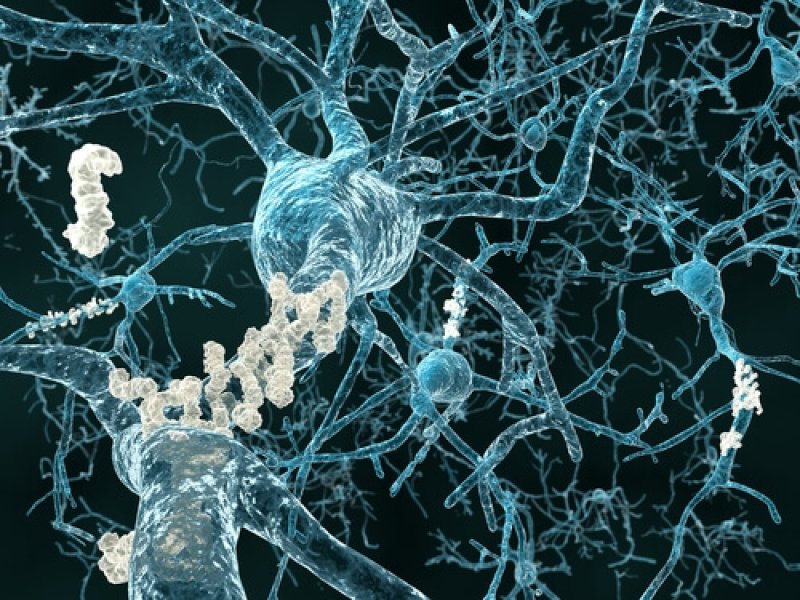
But in five of the brains, the researchers saw evidence of Alzheimer’s disease as well—plaque-like buildups of a protein composite called beta amyloid slow the brain’s function, one of the defining characteristics of the condition. The patients had died between the ages of 28 and 63, generally too young to develop so much plaque buildup.
Read full, original post: New evidence that Alzheimer’s is transmissible