The GLP aggregated and excerpted this blog/article to reflect the diversity of news, opinion and analysis.
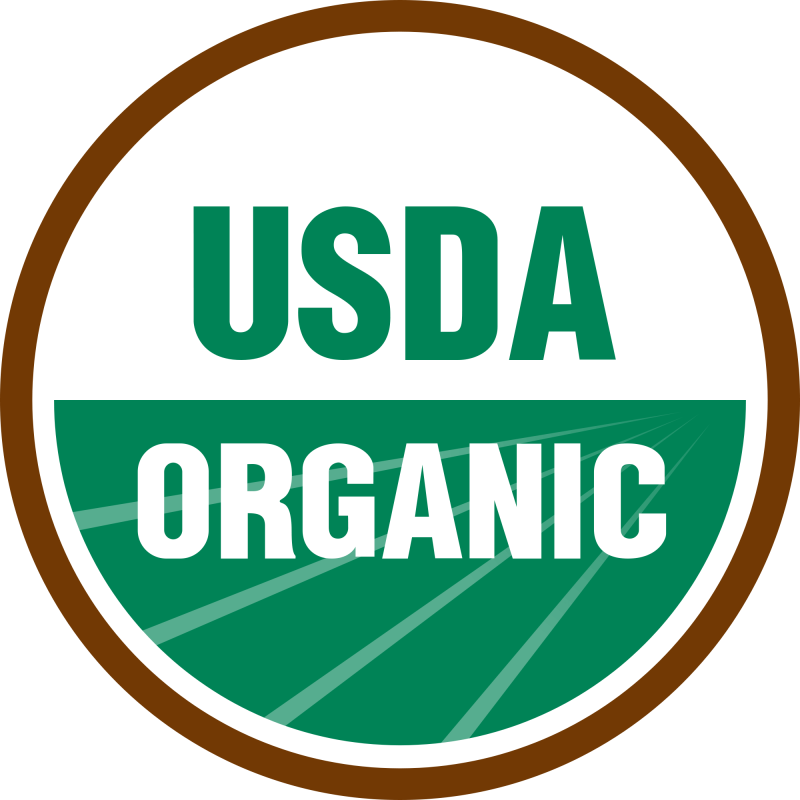
Organic farming has boomed in recent years . . . A primary driver of their success has been the USDA-regulated organic label, which implies to many consumers that these food products are somehow superior.
But that is not what the label actually means. Nor is it true. Nor, arguably, is the label constitutional.
. . . .
At the release of the final national organic standards in 2000, Secretary of Agriculture Dan Glickman emphasized the fundamental meaninglessness of the designation: “Let me be clear about one thing, the organic label is a marketing tool. It is not a statement about food safety. Nor is ‘organic’ a value judgment about nutrition or quality.”
. . . .

Ironically, the organic label that is the touchstone of the National Organic Program may have now become its Achilles heel. A 2015 U.S. Supreme Court case, Reed v. the Town of Gilbert, strengthens the basis for a challenge to its constitutionality.
That decision calls into question the legality of special labeling to identify foods produced by a particular process unrelated to the health or safety of the protected product. Information required on labels is considered to be “commercial speech,” which must therefore conform to the speech requirements of the First Amendment to the U.S. Constitution. The essence of the Reed case is that special labeling laws are subject to “strict scrutiny,” the most rigorous standard of review for constitutionality. . . .
Because the USDA organic designation is based on food production processes and procedures unrelated to quality, health or safety, there is no compelling interest, and it fails strict scrutiny.
Read full, original post: When food labels mislead