Psychologists counter publication bias with call to reveal negative study results

The GLP aggregated and excerpted this blog/article to reflect the diversity of news, opinion and analysis.

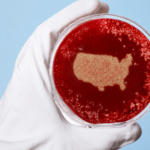
The ‘file drawer problem’ refers to the fact that in science, many results remain unpublished – especially negative ones. This is a problem because it produces publication bias.

Now, a group of Belgian psychology researchers have decided to make a stand. In a bold move against publication bias, they’ve thrown open their own file drawer. In the new paper, Anthony Lane and colleagues from the Université catholique de Louvain say that they’ve realized that over the years, “our publication portfolio has become less and less representative of our actual findings”. Therefore, they “decided to get these [unpublished] studies out of our drawer and encourage other laboratories to do the same.”

Lane et al.’s research focus is oxytocin, the much-discussed “love hormone”. Their lab has published a number of papers reporting that an intranasal spray of oxytocin alters human behaviour. But they now reveal that they also tried to publish numerous negative findings, yet these null results remain in the file drawer because they weren’t accepted for publication.

In my view this is a very important paper, and a brave move by the authors. This kind of revelation of what goes on “behind closed drawers” could be an effective remedy for publication bias. I suspect though that prevention is better than cure, and that the best way to keep the file drawers from filling up in the first place will be to reform the scientific process itself.

Read full, original post: Psychologists Throw Open The “File Drawer”

Related Articles

Infographic: Global regulatory and health research agencies on whether glyphosate causes cancer

Infographic: Global regulatory and health research agencies on whether glyphosate causes cancer

Does glyphosate—the world's most heavily-used herbicide—pose serious harm to humans? Is it carcinogenic? Those issues are of both legal and ...

Most Popular

ChatGPT-Image-Aug-4-2026-10_15_14-AM
Viewpoint—A hard look at the Fauci diaries: Do they change what we know about COVID’s origins?
ChatGPT-Image-Mar-10-2026-01_39_01-PM
Viewpoint—“Miracle molecule” debunked: Why acemannan supplements don’t work
Picture1
Hiroshima at 81: America’s new nuclear bomb, a buried Iranian target, and a question no one wants to ask
ChatGPT-Image-Aug-4-2026-12_42_58-PM
Viewpoint: Fact-checking CNN interview with RFK, Jr. underscores the depth of his disinformation delusions
ChatGPT-Image-Jul-17-2026-09_50_27-AM
Viewpoint: How disease tracking and prevention has cratered under the Kennedy-Trump administration
Screenshot-2026-07-17-at-1.34.59-PM
Poll: Vaccine hesitancy soars when patients distrust health providers and turn to social media
ChatGPT-Image-Aug-4-2026-11_19_30-AM
41-state Cyclospora outbreak exposes widespread state-to-state communication failures
ChatGPT Image Jul 29, 2026, 06_26_01 PM 2
Facts & Fallacies podcast: Organic food myths make a comeback on Instagram, with Dr. Kevin Folta
ChatGPT-Image-Aug-4-2026-07_52_00-PM
No liability for scientific due diligence: California Supreme Court rejects bizarre lawsuit faulting Gilead for fully evaluating HIV drug before release
ChatGPT Image Jul 29, 2026, 10_17_59 AM
Viewpoint: What does it mean when critics of conventional agriculture say many fruits and vegetables are “linked” to pesticide poisoning?
Screenshot-2026-08-05-at-8.51.10-AM
Viewpoint: ‘ICUs were empty in NYC and across the US’: RFK, Jr. accuses pro-vaccine liberals of exaggerating the number of COVID deaths
ChatGPT-Image-Aug-4-2026-02_05_46-PM
Does Congress have the guts to successfully challenge Trump’s politicization of science funding?
glp menu logo outlined

Get news on human & agricultural genetics and biotechnology delivered to your inbox.