The GLP aggregated and excerpted this blog/article to reflect the diversity of news, opinion and analysis.
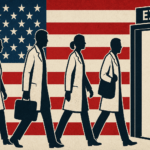
Nearly a century after James Truslow Adams coined the phrase, the “American dream” has become a staple of presidential campaign speeches. Kicking off her 2016 campaign, Hillary Clinton told supporters that “we need to do a better job of getting our economy growing again and producing results and renewing the American dream.” Ted Cruz asked his supporters to “imagine a legal immigration system that welcomes and celebrates those who come to achieve the American dream.” Donald Trump claimed that “the American dream is dead” and Bernie Sanders quipped that for many “the American dream has become a nightmare.”
A study published in Psychological Science by psychologists Elliot Tucker-Drob and Timothy Bates reveals that the American dream is in serious trouble. Tucker-Drob and Bates set out to evaluate evidence for the influence of genetic factors on IQ-type measures (aptitude and achievement) that predict success in school, work, and everyday life. Their specific question was how the contribution of genes to these measures would compare at low versus high levels of socioeconomic status (or SES), and whether the results would differ across countries. The results reveal, ironically, that the American dream is more of a reality for other countries than it is for America: genetic influences on IQ were uniform across levels of SES in Western Europe and Australia, but, in the United States, were much higher for the rich than for the poor.

Read full, original post: Genes and the American Gene