
The GLP aggregated and excerpted this blog/article to reflect the diversity of news, opinion and analysis.
Not too long ago, ‘designer babies,’ genome editing and gene therapy were futuristic and expensive ideas that were available only to the most affluent elite.
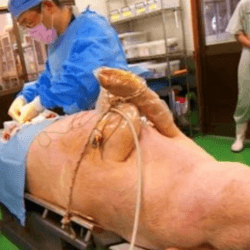
Yet, today, this baffling feat is becoming shockingly affordable thanks to the advancement of CRISPR. Since its initial debut in 2012, CRISPR’s capabilities have leapt forward every year. Some highlights include modifications of genomes in non-viable human embryos by Chinese scientists, modifications in pig embryos by US scientists in an effort to create pig organs viable for human organ transplants, and more recently, the authorization for UK scientists to begin experimentation in modifying viable human embryos.
CRISPR/Cas9 is not without its drawbacks. Although its precision has improved since its first introduction, the risk of off-target cuts exists and can range from 0.1 per cent to more than 60 per cent, depending on the target cell and sequence used in the experiment. Its power to wipe out entire species in under a year can be disastrous and have widespread effects on entire ecosystems.




It is a rather inexpensive and simple technique that can be easily accessed, and dangerous if not regulated. There has been such an explosive reaction to this new technique that it has outpaced our ability to create legal and ethical guidelines, and mandates for its use.
Read full, original post: Minding our makeup