With USDA support, organic farming shows record growth

Screen Shot at AM

The GLP aggregated and excerpted this blog/article to reflect the diversity of news, opinion and analysis.

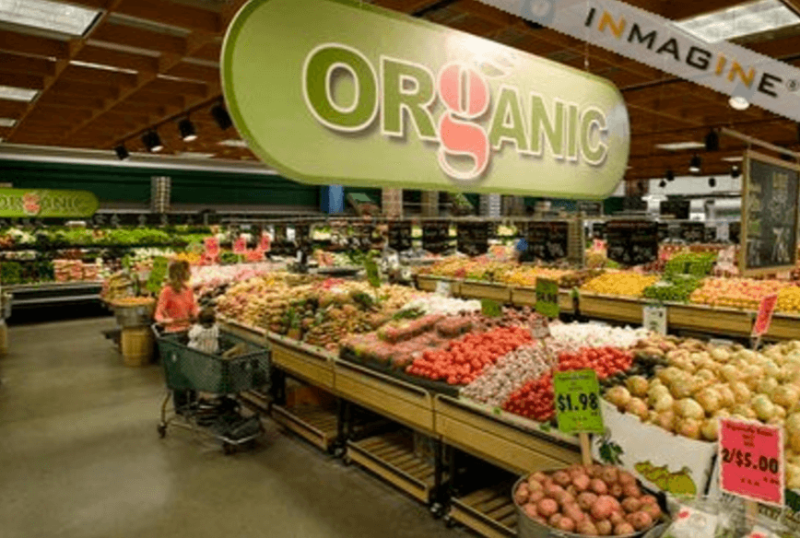
The U.S. Department of Agriculture (USDA) announced [April 4] a significant increase in the number of certified organic operations, continuing the trend of double digit growth in the organic sector. According to new data, there are now 21,781 certified organic operations in the United States and 31,160 around the world.

“Organic food is one of the fasting growing segments of American agriculture,” said Agriculture Secretary Tom Vilsack. “As consumer demand for organic products continues to grow, the USDA organic seal has become a leading global standard. The increasing number of organic operations shows that USDA’s strong support for the vibrant organic sector is helping to create jobs and opportunities in rural communities.”

According to data released by the Agricultural Marketing Service’s (AMS) National Organic Program (NOP), the number of domestic certified organic operations increased by almost 12 percent between 2014 and 2015, representing the highest growth rate since 2008 and an increase of nearly 300 percent since the count began in 2002. The total retail market for organic products is now valued at more than $39 billion in the United States and over $75 billion worldwide.
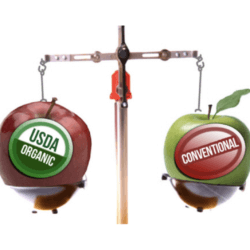

Along with consumer demand for organics, increasingly they are asking for local foods. Under Secretary Vilsack, USDA has supported providing consumers a stronger connection to their food with more than $1 billion in investments to over 40,000 local and regional food businesses and infrastructure projects since between 2009. Industry data estimates that U.S. local food sales totaled at least $12 billion in 2014, up from $5 billion in 2008.

Read full, original post:  USDA Reports Record Growth In U.S. Organic Producers

Related Articles

Infographic: Global regulatory and health research agencies on whether glyphosate causes cancer

Infographic: Global regulatory and health research agencies on whether glyphosate causes cancer

Does glyphosate—the world's most heavily-used herbicide—pose serious harm to humans? Is it carcinogenic? Those issues are of both legal and ...

Most Popular

ChatGPT-Image-Mar-10-2026-01_39_01-PM
Viewpoint—“Miracle molecule” debunked: Why acemannan supplements don’t work
Screenshot-2026-10-01-at-10.52.08-AM
Non-browning CRISPR gene-edited bananas move one step closer to British markets
AI-Force-Leadership-Portrait
Jay Clayton controversy: The divisive history of Trump’s newly-appointed AI czar
Screenshot-2026-09-22-at-10.54.12-AM
‘They misunderstand science’: Research attempting to tie autism to changes in the gut microbiome comes under fire
Elderly-Speaker-at-MAHA-Institute
At anti-vaccine MAHA conference, RFK Jr. pledges to unify federal health information and combat vaccine safety ‘misinformation’
ChatGPT-Image-Sep-21-2026-11_21_39-AM
Viewpoint: Food cults: Online ‘nutrition communities’ can pose unique dangers
Screenshot-2026-09-28-at-11.26.17-AM
Viewpoint: Wellness movement activists reposition nicotine from a killer addictive drug into a cure-all for brain ills
Screenshot 2026-10-01 at 12.30
Combating ‘narrative distortion’: Will pharma companies step up to challenge health misinformation?
ChatGPT-Image-Sep-10-2026-10_36_07-AM
Viewpoint: Even lousy scientific articles can shield authors when they hype dubious health claims and products
ChatGPT-Image-Sep-21-2026-03_15_09-PM
Viewpoint: Chipotle-inspired lesson: 10,000 sick customers suggest that processed foods can be safer than fresh ones
generated-1790707585414
Facts & Fallacies podcast: America's health care system is broken. A doctor explains how to fix it
Screenshot-2026-10-01-at-11.21.27-AM
Vaccine hesitancy, like malaria, surges globally, topping 35% in some countries
glp menu logo outlined

Get news on human & agricultural genetics and biotechnology delivered to your inbox.