Under threat of Zika spread, majority of Americans support employing GM mosquitoes

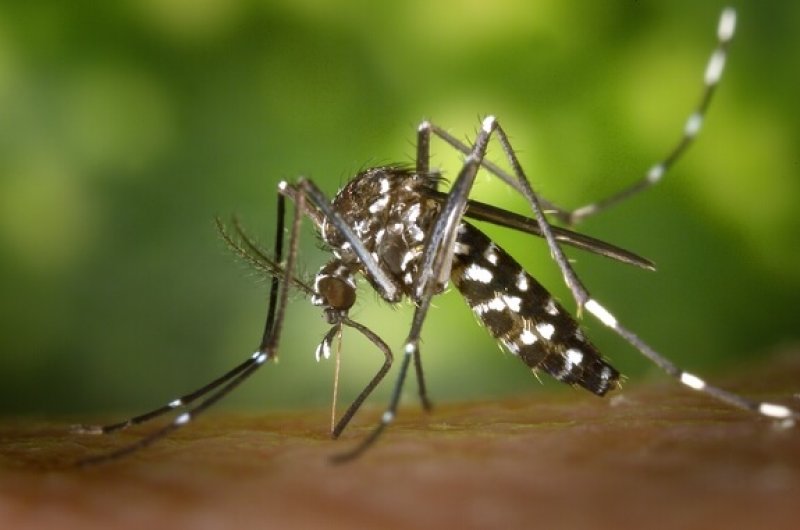
zika virus aedes mosquito

The GLP aggregated and excerpted this blog/article to reflect the diversity of news, opinion and analysis.

Zika is coming to Florida. Two new cases of the virus linked to serious birth defects have been reported in the state, and scientists believe it could spread rapidly come summer as mosquito populations explode. And we’re still a long way away from a vaccine for the virus.

The good news is that scientists still might have a way to stop its spread — by releasing a swarm of genetically modified mosquitoes across the Florida Keys. Yes, it sounds like the premise of pulpy Michael Crichton novel that ends with a zombie horde infected with GMO mosquito viruses.

New Times first looked in-depth at the idea of unleashing GMO mosquitoes in the Keys in 2012, when another virus — dengue fever — threatened to overtake South Florida. Scientists began looking at a novel solution: engineered mosquitoes created by British firm Oxitec.

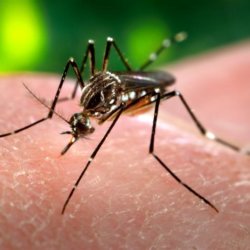
The GMO mosquitoes were never used in the dengue fight. And until the Zika outbreak, those types of concerns seemed to be prevalent. Nearly 170,000 people signed a Change.org petition against releasing the winged insects in the Keys.

The threat of Zika seems to have changed that equation, though. The virus has been linked to microcephaly, a serious birth defect that causes children to have abnormally small heads. A survey from Purdue University in February found 78 percent of people nationwide support GMO mosquitoes to fight Zika; a new poll from the AP found 56 percent backing.

Read full, original post: Genetically Modified Mosquitoes Probably Headed to Florida Keys to Fight Zika

Related Articles

Infographic: Global regulatory and health research agencies on whether glyphosate causes cancer

Infographic: Global regulatory and health research agencies on whether glyphosate causes cancer

Does glyphosate—the world's most heavily-used herbicide—pose serious harm to humans? Is it carcinogenic? Those issues are of both legal and ...

Most Popular

ChatGPT Image Jul 31, 2026, 08_05_37 AM
26% and far worse than during COVID: Under RFK Jr., Americans’ opinion of ‘revamped’ CDC hits an all-time low
Screenshot-2026-10-26-at-11.06.10-AM
Viewpoint: The organic, good-food, small-farm movement is seductive but wrongheaded. Here’s the sustainability and environmental case for industrial farming
Screenshot-2026-10-24-121036
Many hospitals embrace longevity medicine. Are they separating science from hype?
Picture1
Viewpoint: How badly is the U.S. food-safety net fraying? FDA’s bungled handling of the tainted lettuce crisis deepens concerns over cuts to disease tracking and response
ChatGPT-Image-Mar-10-2026-01_39_01-PM
Viewpoint—“Miracle molecule” debunked: Why acemannan supplements don’t work
Cancer mRNA Vaccine Concept
'A new frontier': Though scorned by RFK Jr., personalized mRNA vaccine offers hope for many suffering from melanoma skin cancer
China Innovation Lightbulb 2
China’s 5-year plan to accelerate science innovation is putting the U.S. and Europe in the rearview mirror
Screenshot-2026-10-23-at-10.37.12-AM
Viewpoint: Drones, dollars and baby food: Critical innovations that anti-plastic ideologues willfully ignore
Crimson Drips Over the White House
In Trump administration redirect, U.S. steers NIH sharply away from biodefense and pandemic preparedness
Healthy Food Sensitivity Test Collection
Viewpoint: That’ll be $300: The wellness industry’s junk science scam to ‘fix’ your immune system that isn’t broken
West-Virginia-SNAP-Water-Bottle-Sticker
A ‘shining success’ or 'empty promises’: Two years along, West Virginians assess MAHA’s food promises
glp menu logo outlined

Get news on human & agricultural genetics and biotechnology delivered to your inbox.