Glyphosate residues, most at safe levels, found in breakfast foods, including organic products

Screen Shot at PM

The GLP aggregated and excerpted this blog/article to reflect the diversity of news, opinion and analysis.

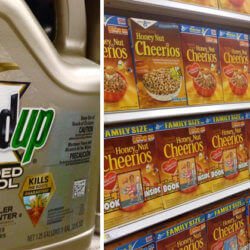
According to a report released [April 19] by the Alliance for Natural Health USA, testing procured from an independent laboratory found detectable levels of the herbicide glyphosate in oatmeal and bagels as well as coffee creamer and seven more products, for a total of 10 out of 24 breakfast food items showing levels of glyphosate – a chemical the World Health Organization’s cancer experts have linked to cancer.

Notably, some of the highest levels of the chemical were detected in organic food products, including eggs marketed as “organic, cage-free, antibiotic-free” eggs; and in organic bagels and bread. Indeed, the organic cage-free eggs contained more glyphosate than regulators allow, the group said. . . .

. . . .

ANH said its testing indicates that “Americans are consuming glyphosate in common foods on a daily basis.” The group acknowledged that most of the samples that showed glyphosate residue registered at levels below what U.S. regulators consider an “allowable daily intake.” . . . .

. . . .

So what does the Food and Drug Administration, the nation’s top food safety regulatory agency, have to say about all this? . . . .

In February, I broke the story that the FDA was for the first time about to start assessing foods for residues of the glyphosate. . . .

So I thought this week was a good time to ask the FDA for an update on where the agency stands on its testing. But as was the case in February, the FDA was reluctant to discuss the issue of glyphosate residue testing. . . .

Read full, original post: Private Tests Show Cancer-Linked Herbicide in Breakfast Foods; FDA mum on Its Assessments

Related Articles

Infographic: Global regulatory and health research agencies on whether glyphosate causes cancer

Infographic: Global regulatory and health research agencies on whether glyphosate causes cancer

Does glyphosate—the world's most heavily-used herbicide—pose serious harm to humans? Is it carcinogenic? Those issues are of both legal and ...

Most Popular

ChatGPT-Image-Mar-10-2026-01_39_01-PM
Viewpoint—“Miracle molecule” debunked: Why acemannan supplements don’t work
ChatGPT-Image-Sep-17-2026-12_28_43-PM
Vitamin D, omega-3 fish oil and glucosamine supplements could cause brain damage 
Screenshot-2026-08-12-at-11.31.46-AM
AI is helping develop new vaccines
Screenshot-2026-08-19-at-6.19.42-PM
Facts & Fallacies podcast: 'Regenerative farming'? RFK Jr.’s federal push romanticizes the past and risks food security
ChatGPT-Image-Aug-28-2026-03_33_46-PM
Viewpoint: Bad science—Five bogus Trump administration claims about vaccines and autism
Screenshot-2026-09-14-at-4.31.14-PM
Viewpoint: What’s the likely impact when the EPA loosens rules limiting methane pollution from oil and gas wells?
ChatGPT-Image-Sep-9-2026-02_48_24-PM
Viewpoint: Trump-RFK Jr. report on “Gender Ideology & Left-wing Ideology’ targets LGBTQ community—and science
Screenshot-2026-09-10-at-12.20.19-PM
'Jet fuel didn't melt the steel': 9/11 conspiracy theories debunked
ChatGPT-Image-Sep-13-2026-10_46_11-AM
“Hit the brakes”: Anthropic warns the race to superintelligence could spawn internet-seizing AI swarms—and empower authoritarians. Here’s how to stop it.
Screenshot-2026-09-15-at-11.04.54-AM
Viewpoint: Childhood deaths in dispute: Why the CDC vs Pennsylvania conflict over measles vaccines matters
glp menu logo outlined

Get news on human & agricultural genetics and biotechnology delivered to your inbox.