Can IVF save white rhino from extinction?

White Rhino

The GLP aggregated and excerpted this blog/article to reflect the diversity of news, opinion and analysis.

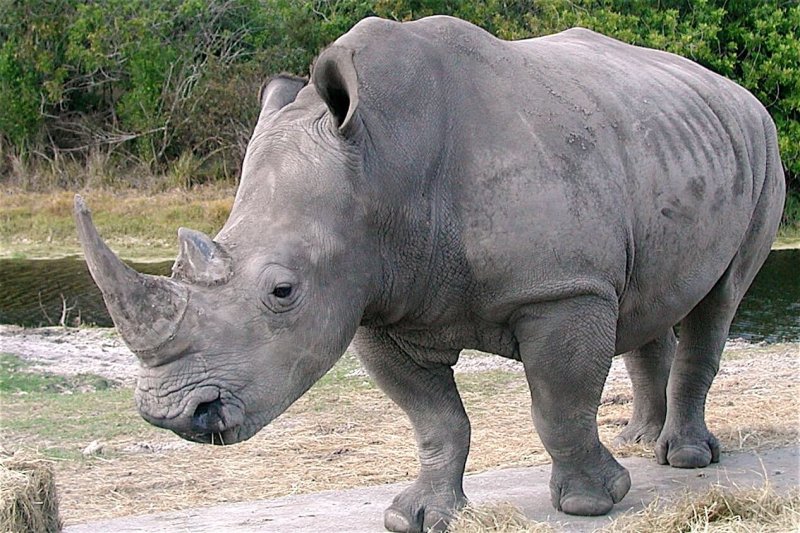
The northern white rhinoceros is a species waiting for extinction. Its three remaining individuals, kept in a well-guarded Kenyan conservation park, cannot breed naturally. A 15-year-old female named Fatu could be the last of a creature that once roamed central African savannahs by the thousands.

In a last-gasp effort to avert that scenario, researchers unveiled the details of an audacious plan to save the northern white rhino (Ceratotherium simum cottoni), by transforming cells from living rhinos and from frozen storage into sperm and egg cells, and then using in vitro fertilization (IVF) to create embryos and revitalize the population. Teams led by San Diego Zoo Global in California and the Leibniz Institute for Zoo and Wildlife Research in Berlin have already started work on the idea.They say that it could guide the rescue of other animals that are on the brink of extinction, and even the resurrection of those already gone. But critics call the plan, which is likely to require millions of dollars, fanciful and worry that it could distract from broader conservation efforts.

“The northern white rhinoceros will go extinct if we don’t do this,” says Oliver Ryder, a conservation geneticist at San Diego Zoo Global and a leading architect of the rescue plan. The strategy was drawn up last December in Vienna at a meeting that was attended by teams from both zoos, as well as specialists in stem-cell and reproductive biology.

Read full, original post: Stem-cell plan aims to bring rhino back from brink of extinction

{{ reviewsTotal }}{{ options.labels.singularReviewCountLabel }}
{{ reviewsTotal }}{{ options.labels.pluralReviewCountLabel }}
{{ options.labels.newReviewButton }}
{{ userData.canReview.message }}

Related Articles

Infographic: Global regulatory and health research agencies on whether glyphosate causes cancer

Infographic: Global regulatory and health research agencies on whether glyphosate causes cancer

Does glyphosate—the world's most heavily-used herbicide—pose serious harm to humans? Is it carcinogenic? Those issues are of both legal and ...

Most Popular

Picture1
The Orange Bowl without oranges: Can CRISPR save Florida citrus?
global warming
‘Implausible’: Top climate scientists reject worst-case scenario—soaring temperatures and fast-rising sea levels
vax-misinformation-main
Facts & Fallacies Podcast: Limit free speech to blunt social media misinfo?
Screenshot 2026-05-22 at 11.31
‘Realistic and durable’: EPA proposes loosening restrictions on some PFAS ‘forever chemicals.’
ChatGPT-Image-May-1-2026-11_42_59-AM-2
Viewpoint: NAD is the wellness grifters latest evidence-lite longevity fad. At least the mice are impressed.
ChatGPT Image May 26, 2026, 12_06_53 PM
Fake Ebola cure promoters already cashing in as disinformation videos flood social media
Screenshot-2026-04-22-at-12.21.32-PM
Viewpoint: Why the retracted Monsanto glyphosate study doesn’t change the science—the world’s most popular herbicide is safe 
ChatGPT Image May 24, 2026, 03_16_36 PM
Here come the biohackers' Enhanced Games—The Olympics for athletes doping up on steroids, hormones and peptides. What’s wrong with that?
Screenshot-2026-05-21-at-12.15.17-PM
UK gene-editing milestone: Livestock barley that increases ruminant value and reduces methane emissions is first-approved CRISPR crop
Picture1
The FDA couldn’t find a vaccine safety crisis, so it buried its own research
glp menu logo outlined

Get news on human & agricultural genetics and biotechnology delivered to your inbox.