The GLP aggregated and excerpted this blog/article to reflect the diversity of news, opinion and analysis.
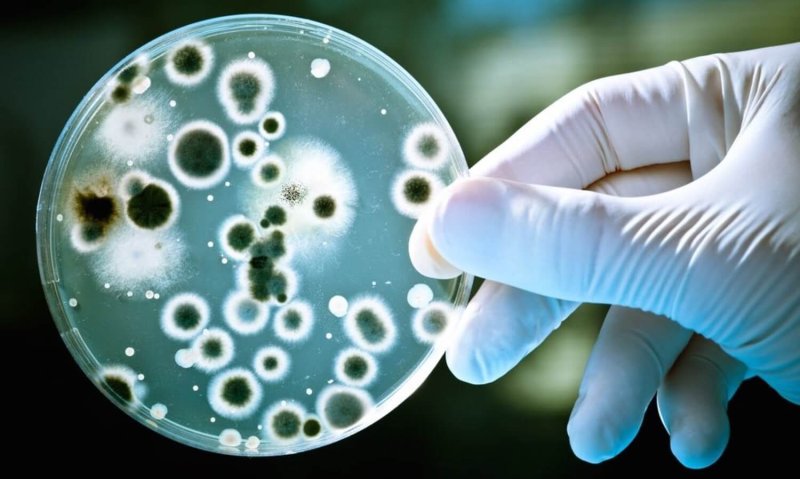
Under instructions from U.K. Prime Minister David Cameron, economist Jim O’Neill has spent the last two years looking into the problem of drug-resistant infections—bacteria and other microbes that have become impervious to antibiotics. In that time, he estimates that a million people have died from such infections. By 2050, he thinks that ten million will die every year.
The problem of drug-resistant microbes isn’t just about biology and chemistry; it’s an economic problem at heart, a catastrophic and long-bubbling mismatch between supply and demand.
The scope of that problem is clear in O’Neill’s final report, which launches on the back of eight earlier interim publications. It is as thorough a review of the problem of drug-resistant infections as currently exists.

The report’s language is sober but its numbers are apocalyptic. If antibiotics continue to lose their sting, resistant infections will sap $100 trillion from the world economy between now and 2050, equivalent to $10,000 for every person alive today.
Read full, original post: The Plan to Avert Our Post-Antibiotic Apocalypse