DNA phenotyping revolutionizing forensics

The GLP aggregated and excerpted this blog/article to reflect the diversity of news, opinion and analysis.

On the morning of November 23, 2009, a cyclist riding near Lake Charles, Louisiana, discovered the body of a young woman lying near a country road. Under her fingernails were DNA samples of her supposed killer. However, the police suddenly met a dead end when the sample DNA didn’t match with any of their suspects.

Then, in June 2015, a DNA analyst decided to use a different method. Called DNA phenotyping, the technique conjures up a physical likeness of the person who left the sample behind, including traits such as geographic ancestry, eye and natural hair color, and even a possible shape for facial features.

DNA phenotyping is a relatively recent arrival in forensic science, and some critics question how useful it will be. The facial composites it produces are predictions from genetics, not photographs. Human genome pioneer Craig Venter, as part of his new personalized health company called Human Longevity, is also investigating facial reconstruction from DNA, as are many academic labs.
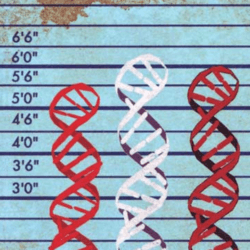

Read full, original post: How Science Is Putting a New Face on Crime Solving



{{ reviewsTotal }}{{ options.labels.singularReviewCountLabel }}
{{ reviewsTotal }}{{ options.labels.pluralReviewCountLabel }}
{{ options.labels.noReviewsLabel }}
{{ options.labels.newReviewButton }}
{{ userData.canReview.message }}

Related Articles

Infographic: Global regulatory and health research agencies on whether glyphosate causes cancer

Infographic: Global regulatory and health research agencies on whether glyphosate causes cancer

Does glyphosate—the world's most heavily-used herbicide—pose serious harm to humans? Is it carcinogenic? Those issues are of both legal and ...

Most Popular

ChatGPT-Image-Mar-10-2026-01_39_01-PM
Viewpoint—“Miracle molecule” debunked: Why acemannan supplements don’t work
reverse-aging
Rapamycin: Here’s the skinny on the anti-aging pill that increases the lifespan—of mice by 10%
Screenshot-2026-07-01-at-2.49.48-PM
Dr. TikTok and male fertility: Viral claims tout GLP-1 drugs as fertility boosters. What does the science say?
ChatGPT-Image-Jul-17-2026-12_42_10-PM
Viewpoint: RFK, Jr. is setting up a panel to compensate people who claim they were injured by a COVID vaccine–no proof needed 
UK scientists support loosening restrictions limiting embryo research
Are we edging closer to precisely, and safely, editing human embryos?
a-mature-farmer-working-in-the-field-at-sunrise-harvesting-crops-generated-by-ai-photo
What’s the prospect of developing gene-altered crops that are more nutritious and resist climate disruption
ChatGPT-Image-Jun-25-2026-02_53_56-PM
Embryo gene editing is on the horizon, stirring mixed emotions
vitamin k refuse genai
More and more babies are developing uncontrollable bleeding—linked directly to vaccine deniers' rejection of vitamin K shots
ChatGPT-Image-Jun-25-2026-12_23_17-PM
No, Bill Gates did not secretly engineer ticks to promote veganism
Screenshot-2026-07-21-at-6.22.06-PM
The Indian physician’s one-woman battle against health disinformation on Wikipedia
png-upside-food-syn-bio-cultured-meat
Regulating cultured meat around the world
Screenshot 2025-09-17 at 12.41
Misinformation alert: No, glyphosate use in Canadian forests is not spurring more wildfires
glp menu logo outlined

Get news on human & agricultural genetics and biotechnology delivered to your inbox.