Gene editing raises concerns about furthering divide between rich and poor

Screen Shot at AM

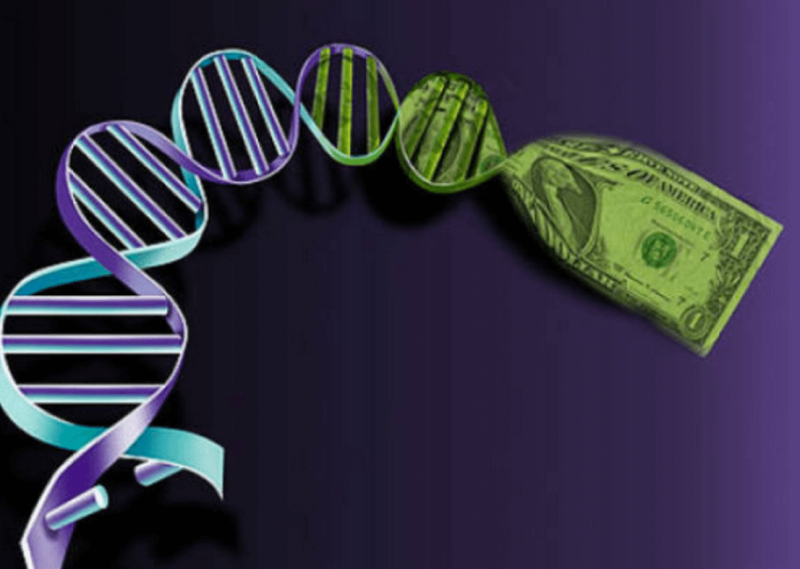
Scientists are pioneering the ability to tweak our DNA to wipe out disease and maybe even allow us to choose desirable traits in our unborn children, like height or intelligence. None of these technologies have moved out of the lab, but Americans are already uncomfortable with them. In a survey from Pew Research Center, almost half said they wouldn’t want to edit their baby’s genes—whether it were to combat disease or shop for traits.

They saw these options as “meddling with nature,” even though we’ve been using technology to enhance our lives for thousands of years.

[However], the more important point raised was the concern that technological enhancements could lead to greater inequality—that the rich could pay to live longer, healthier lives, and the poor couldn’t. This consideration is important because…gene editing [is] becoming a reality faster than many of us realize.

[S]cience is moving fast, so we need to vigorously debate the implications of these technologies sooner rather than later, or we’ll risk programming inequality deep into our DNA.

The GLP aggregated and excerpted this blog/article to reflect the diversity of news, opinion and analysis. Read full, original post: We Risk Programming Inequality into Our DNA

{{ reviewsTotal }}{{ options.labels.singularReviewCountLabel }}
{{ reviewsTotal }}{{ options.labels.pluralReviewCountLabel }}
{{ options.labels.newReviewButton }}
{{ userData.canReview.message }}

Related Articles

Infographic: Global regulatory and health research agencies on whether glyphosate causes cancer

Infographic: Global regulatory and health research agencies on whether glyphosate causes cancer

Does glyphosate—the world's most heavily-used herbicide—pose serious harm to humans? Is it carcinogenic? Those issues are of both legal and ...

Most Popular

Screenshot-2026-03-13-at-12.14.04-PM
The FDA wants to make many popular prescription drugs OTC—a great idea. Here’s why it’s unlikely to happen
Screenshot-2026-05-04-at-12.54.32-PM
How Utah became the country’s supplement capital  — and a haven for unregulated, ineffective and fake products
Screenshot-2026-04-20-at-2.26.27-PM
Viewpoint — Food-fear world: The latest activist scientists campaign: Cancer-causing additives
Screenshot-PM-24
Viewpoint: The herbicide glyphosate isn’t perfect. Banning it would be far worse.
images
The never-ending GMO debate: Pros and cons
Screenshot-2026-05-01-at-11.56.24-AM
‘Science moves forward when people are willing to think differently’: Memories of DNA maverick Craig Venter
Screenshot-2026-04-30-at-2.19.37-PM
5 myths about summer dehydration that could damage your health — or even kill you
Screenshot-2026-04-03-at-11.15.51-AM
Paraben panic: How a flawed study, media hype, and chemophobia convinced the public of the danger of one of the safest classes of preservatives
bigstock opioids on chalkboard with rol
GLP podcast: 'Safe injection sites': enabling drug addiction or saving lives?
ChatGPT-Image-May-1-2026-02_20_13-PM
How RFK, Jr.’s false vaccine claims are holding up $600 million to fight diseases in poor countries
glp menu logo outlined

Get news on human & agricultural genetics and biotechnology delivered to your inbox.