Alison Van Eenennaam v Jennifer Kuzma: How should hornless cows and gene editing be regulated?

Screen Shot at AM
First genetically edited cows arrive at UC Davis

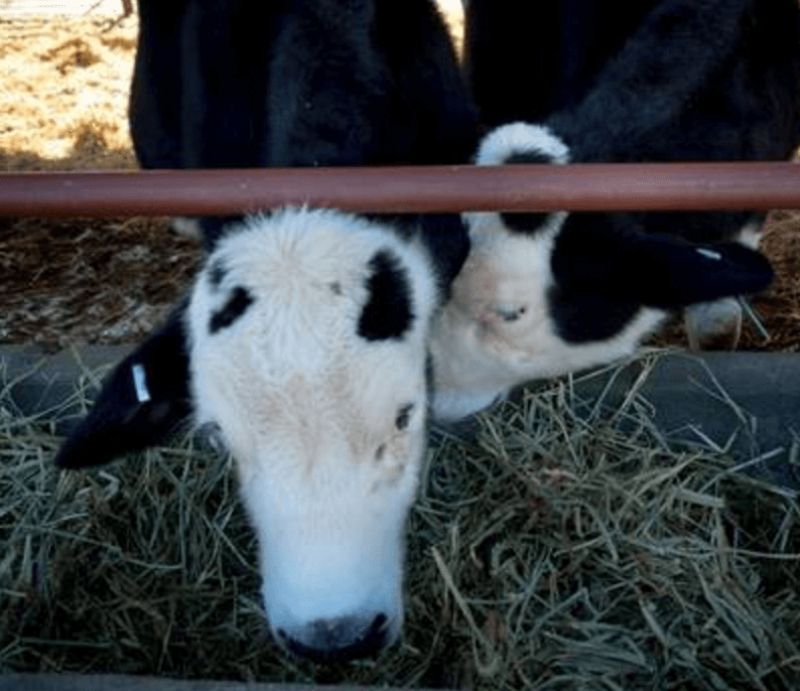
Dairy cows, which come from the Holstein breed, naturally grow horns. On farms, the horns are often physically removed because they can pose a threat to other cows, a well as to farm workers handling the cattle. But a group of researchers from the University of California, Davis has developed a method to remove the horns through gene-editing. The team inserted a gene from the naturally
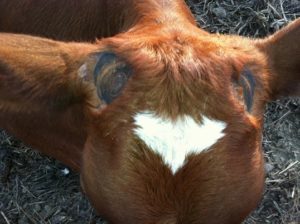
Debudding is normally done with high heat or a caustic chemical that kills the horn-producing cells to the point where they can't regenerate.
Debudding is normally done with high heat or a caustic chemical that kills the horn-producing cells to the point where they can’t regenerate.

hornless Angus breed to create hornless Holsteins. Have the researchers developed a new type of cow or are they just speeding up the breeding process?

Animal geneticist Alison Van Eenennaam, who led the research at Davis, and Jennifer Kuzma from the Genetic Engineering and Society Center at North Carolina State University, discuss the future of biotechnology in agriculture, what defines a “genetically modified organism,” and to what degree new genetic editing technologies might be regulated. Kuzma expresses concern about the possible unintended effects of gene editing and urges increased regulations and mandated involvement of the public on emerging technologies.(11:20 in audio)

[soundcloud url=”https://api.soundcloud.com/tracks/287741248″ params=”auto_play=false&hide_related=false&show_comments=true&show_user=true&show_reposts=false&visual=true” width=”100%” height=”450″ iframe=”true” /]

The GLP aggregated and excerpted this blog/article to reflect the diversity of news, opinion and analysis. Read full, original post: Scientists Develop a Hornless Cow Through Gene Editing

{{ reviewsTotal }}{{ options.labels.singularReviewCountLabel }}
{{ reviewsTotal }}{{ options.labels.pluralReviewCountLabel }}
{{ options.labels.newReviewButton }}
{{ userData.canReview.message }}

Related Articles

Infographic: Global regulatory and health research agencies on whether glyphosate causes cancer

Infographic: Global regulatory and health research agencies on whether glyphosate causes cancer

Does glyphosate—the world's most heavily-used herbicide—pose serious harm to humans? Is it carcinogenic? Those issues are of both legal and ...

Most Popular

Screenshot 2026-05-06 at 2.56
Singularity crisis ahead? Can super babies save us from rogue AI geniuses?
Screenshot-2026-03-13-at-12.14.04-PM
The FDA wants to make many popular prescription drugs OTC—a great idea. Here’s why it’s unlikely to happen
Screenshot-2026-04-20-at-2.26.27-PM
Viewpoint — Food-fear world: The latest activist scientists campaign: Cancer-causing additives
Screenshot-PM-24
Viewpoint: The herbicide glyphosate isn’t perfect. Banning it would be far worse.
Screenshot-2026-05-01-at-11.56.24-AM
‘Science moves forward when people are willing to think differently’: Memories of DNA maverick Craig Venter
images
The never-ending GMO debate: Pros and cons
Screenshot-2026-04-03-at-11.15.51-AM
Paraben panic: How a flawed study, media hype, and chemophobia convinced the public of the danger of one of the safest classes of preservatives
Screenshot-2026-04-30-at-2.19.37-PM
5 myths about summer dehydration that could damage your health — or even kill you
79d03212-2508-45d0-b427-8e9743ff6432
Viewpoint: The Casey Means hustle—Wellness woo opportunism dressed up as medical wisdom
ChatGPT-Image-May-1-2026-02_20_13-PM
How RFK, Jr.’s false vaccine claims are holding up $600 million to fight diseases in poor countries
glp menu logo outlined

Get news on human & agricultural genetics and biotechnology delivered to your inbox.