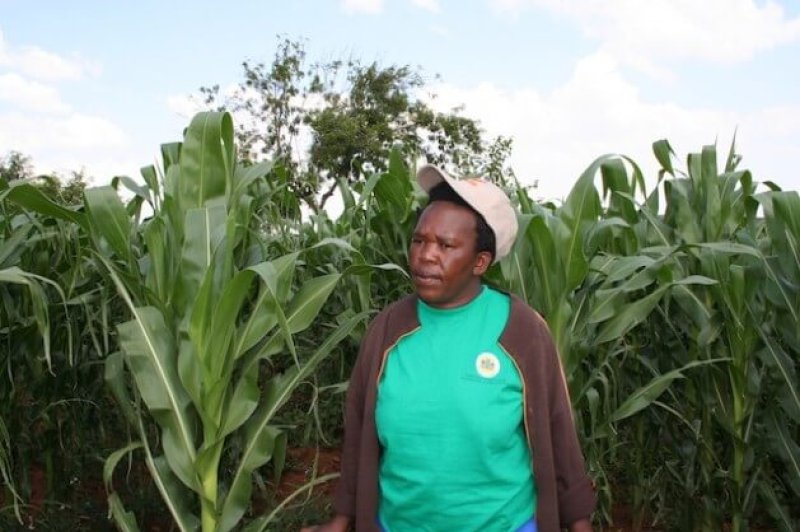

The Department of Science and Technology Director General, Dr Phil Mjwara, says biotechnology or genetically modified (GM) crops have had a positive economic impact on South Africa.
“It is estimated that the economic gains from biotech crops for South Africa for the period 1998 to 2013 was $1.6bn and $313m for 2013 alone.
“In 2014, South Africa was growing more than 2.7-million hectares of GM crops. About 86% and 90% of maize and soya produced, respectively, are GM. Cotton is 100% genetically modified,” he said.
“When you look at attitudes towards biotechnology in terms of health, safety, environment and economic contribution… there are significant proportions that are in favour of a particular attitude, a significant proportion [that are] against, and a significant third… that just doesn’t know enough about biotechnology,” said Michael Gastrow, from the Human Sciences Research Council.
The first survey conducted in 2004 revealed that public familiarity with the term ‘biotechnology’, stood at only 21%, while public awareness of GM consumption was at 13%. The latest survey commissioned by the department last year showed that the figures have tripled, 53% and 48% respectively.


. . . .
The proportion of the public that would purchase GM foods on basis of health considerations increased from 59% [in 2004] to 77%, while that of cost considerations increased from 51% to 73%, and environmental considerations from 50% to 68%.
The GLP aggregated and excerpted this blog/article to reflect the diversity of news, opinion and analysis. Read full, original post: Biotech crops impact economy positively