Is developed nations’ anti-GMO activism ‘arrogance of affluence’?

Screen Shot at PM
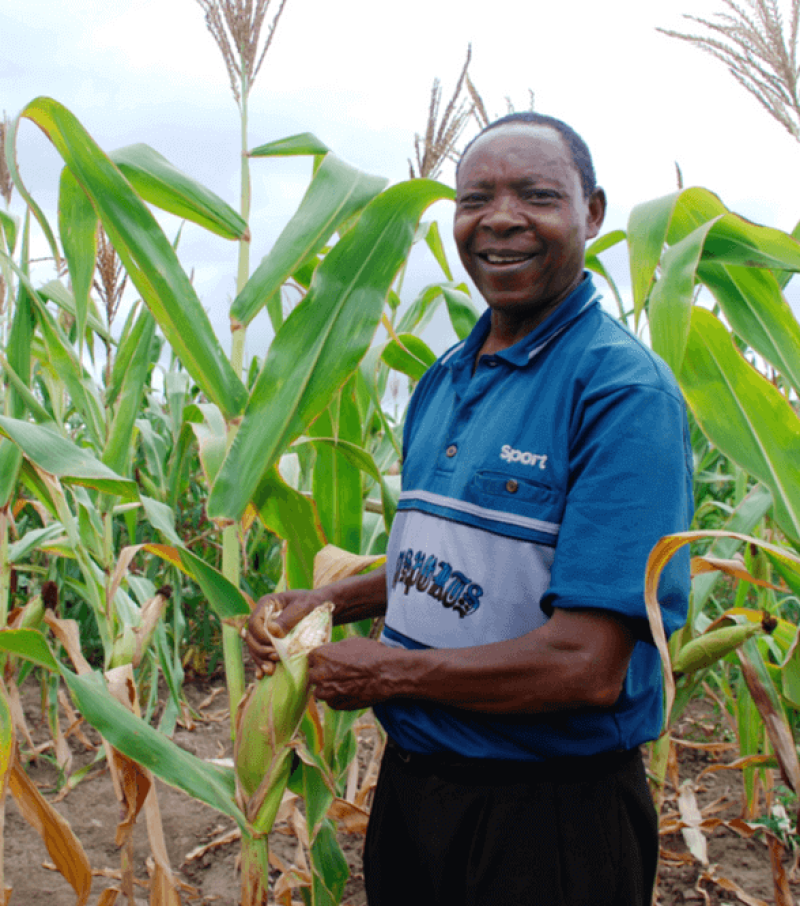
An African farmer with drought-tolerant GMO maize. Photo by CIMMYT/Flickr

While working on a research project in South Africa I met a distinguished-looking farmer, well dressed in a suit and tie. We had an appointment to discuss biotechnology.

. . . .

When the discussion turned to the current crop year, this proud, dignified man had tears in his eyes. He said drought caused his corn crop to be a complete loss.

Then he pointed his finger at me and said people in the U.S. interfered in Africa and prevented approval of a biotech corn variety that was resistant to drought.

He was sad and angry that people in rich countries influence food policy in poor countries.

I call it the “arrogance of affluence.”

Well-fed activists in affluent countries try to dictate what seed a farmer in poor countries can plant.

. . . .

I have seen the results of that arrogance many times in the six African countries where I have been a researcher and educator since the 1990s.

Much of the arrogance comes from Greenpeace, a non-government organization that fights biotech acceptance in poor countries.

. . . .

…[Only] South Africa had commercial plantings of biotech food crops in 2015.

Getting new ones approved, including the drought-tolerant corn my friend wanted to plant, is a continual struggle against anti-biotech activists.

The GLP aggregated and excerpted this blog/article to reflect the diversity of news, opinion and analysis. Read full, original post: Affluent nations’ anti-GMO stance is arrogant

{{ reviewsTotal }}{{ options.labels.singularReviewCountLabel }}
{{ reviewsTotal }}{{ options.labels.pluralReviewCountLabel }}
{{ options.labels.newReviewButton }}
{{ userData.canReview.message }}

Related Articles

Infographic: Global regulatory and health research agencies on whether glyphosate causes cancer

Infographic: Global regulatory and health research agencies on whether glyphosate causes cancer

Does glyphosate—the world's most heavily-used herbicide—pose serious harm to humans? Is it carcinogenic? Those issues are of both legal and ...

Most Popular

ChatGPT Image May 10, 2026, 08_16_59 PM 2
Overmedicalization? RFK Jr.’s antidepressant crackdown raises conflict questions over his fee stake in Wisner Baum, the tort firm built on suing drug makers
Picture1-5
Science Disinformation Gap: The transatlantic battle over social media and censorship
Screenshot-2026-05-01-at-1.29.41-PM
Viewpoint: What happens when whole grains meet modern food manufacturing? Labels don’t tell the whole story.
S
As vaccine rejectionism spreads, measles may be taking a more dangerous turn
ChatGPT-Image-Apr-13-2026-02_20_22-PM
Viewpoint: Misinformation infodemic? Why assessing evidence is so challenging 
Screenshot-2026-04-20-at-2.26.27-PM
Viewpoint — Food-fear world: The latest activist scientists campaign: Cancer-causing additives

Screenshot-2026-03-13-at-12.14.04-PM
The FDA wants to make many popular prescription drugs OTC—a great idea. Here’s why it’s unlikely to happen
ChatGPT-Image-Mar-27-2026-11_47_30-AM-2
FDA’s expedited drug reviews are hailed in some quarters but other approval practices are problematic
Screenshot-2026-05-08-at-3.40.33-PM
Seeds of power: China turns to genetic engineering to become global superpower
bigstock opioids on chalkboard with rol
GLP podcast: 'Safe injection sites': enabling drug addiction or saving lives?
Picture1-14
When superbugs threaten vulnerable children: Can AI help solve antibiotic resistance?
Farmers can talk to plants
Farmers are a major source of misinformation—about farming
circular-bioeconomy-should-focus-on-sustainable-wellbeing
GLP podcast: What's wrong with 'doomsday' environmentalism? It's false.
Screenshot 2026-05-08 at 3.01
Transforming farming and nutrition with AI and robotics? Larry Ellison’s half-billion-dollar Hawaii greenhouse dream goes bust
glp menu logo outlined

Get news on human & agricultural genetics and biotechnology delivered to your inbox.