
[The New York Times article Scientists Loved and Loathed by an Agrochemical Giant] does present a prima facie case that some scientists…are playing fast-and-loose with the evidence related to pesticides and GM crops.
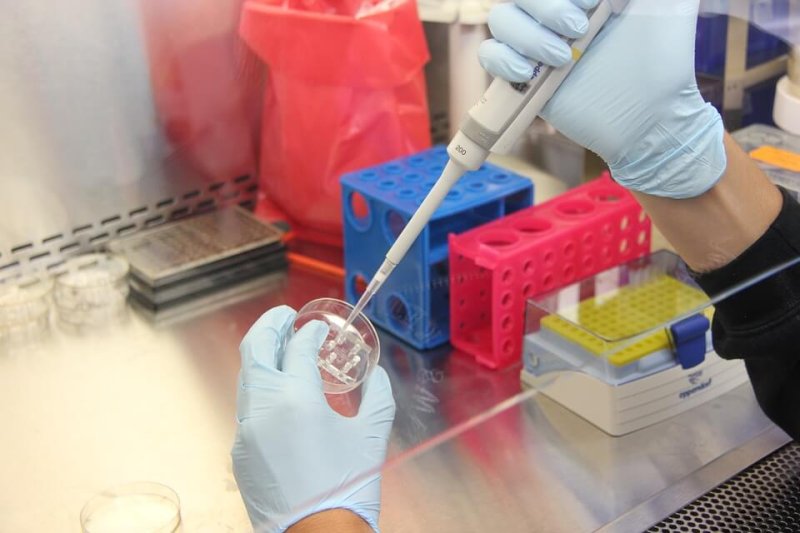
Industry funding of university-led scientific research is incredibly common, far more common than the public probably realizes. There are three reasons for that. First of all, universities are where many subject experts are based, of course. Secondly, scientific research is expensive: it requires staff, facilities, equipment, funding for overheads, etc. University researchers are therefore always hunting for money to enable them to carry out research….Thirdly, external income is an important performance indicator for universities and their constituent departments…
In general the public’s perception…is that most of that research is not being corrupted by the industry funding that is attached to it…
In much of the environmental sector that’s also the case….None of [the resulting research] has generated any negative perceptions, with the possible exception of some aspects of wastes management where issues such as “waste-to-energy” remain controversial.




In other areas of environmental research, however, there have always been accusations of bias levelled at university researchers who are perceived to be industry shills, especially if they are not seen to be toeing a particular line…
Money for the kind of research that’s done by [scientists] is always, always going to be in short supply and competitively pursued, and failure to obtain it will always be much more common than success. Unless funding to address important ecological research questions from government…and charities vastly increases, industry will be there to fund research in its own interests, and the perception of scientific bias will remain, whether or not it actually exists.
The GLP aggregated and excerpted this blog/article to reflect the diversity of news, opinion, and analysis. Read full, original post: Should scientists accept funding from agro-chemical companies? The devil’s in the details