Environmental, economic costs of EU neonicotinoid ban ‘devastating’, according to study

Screen Shot at PM
Rapeseed fields in Germany. Image: Daniel Schwen/Wikimedia
[A] potential ban or suspension of NNi [neonicotinoid seed treatment] technology would have tremendous economic implications…. To take few examples: over a five-year period, the EU could lose 17 billion EUR and more; 50,000 jobs could get lost economy-wide; and more than a million people engaged in arable production and their livelihoods would certainly suffer if NNi were lost.

In addition, if NNi were no longer available in the EU, there would be a significant reduction of food production considerably altering the agricultural trade balance. Moreover, any reduction in agricultural productivity in the EU would need to be compensated by making new arable land available outside of the EU. … The environmental cost of converting this land for arable use would be substantial….

Growers across the EU would lose a significant part or their economic margins, or entirely lose profitability on some major crops. Large agricultural industries, such as European sugar producers, or seed companies would be exposed to significant risks and become far less competitive and entire regions could suffer negative socio-economic consequences, or be deprived of important growths opportunities.
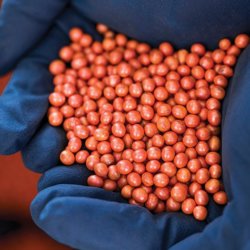

The study also underlines the importance of looking holistically at agriculture. An action taken in one area, not fully considered, can have major unintended consequences elsewhere. In addition, the study shows, perhaps surprisingly, that NNi has become an integral part of European agriculture and significantly contributes to European food production. If this technology were no longer available, food production would decline by an amount sufficient to feed many millions of people.

The GLP aggregated and excerpted this blog/article to reflect the diversity of news, opinion and analysis. Read full, original post: The value of Neonicotinoid seed treatment in the European Union A socio-economic, technological and environmental review


{{ reviewsTotal }}{{ options.labels.singularReviewCountLabel }}
{{ reviewsTotal }}{{ options.labels.pluralReviewCountLabel }}
{{ options.labels.newReviewButton }}
{{ userData.canReview.message }}

Related Articles

Infographic: Global regulatory and health research agencies on whether glyphosate causes cancer

Infographic: Global regulatory and health research agencies on whether glyphosate causes cancer

Does glyphosate—the world's most heavily-used herbicide—pose serious harm to humans? Is it carcinogenic? Those issues are of both legal and ...

Most Popular

ChatGPT Image May 26, 2026, 08_42_17 AM (1)
Viewpoint: Greenpeace and poison: How environmental advocacy groups rely on compliant (and often ignorant) journalists to spread disinformation and spark litigation
Screenshot 2025-07-30 at 10.48
Can gene editing eliminate Down syndrome? Scientists have done it in lab-grown cells
Screenshot-2026-05-28-at-1.36.28-PM
Viewpoint: Can mRNA research survive the Trump administration?
ChatGPT-Image-May-26-2026-07_51_21-AM-2
Viewpoint: There are more than 1,000 chemicals in a cup of coffee—including many substances that can cause cancer. Why isn’t it banned?
Screenshot 2025-11-18 at 3.45
Viewpoint—GMOs and sustainability: Why buying organic foods is the least environmentally-sensitive food choice—without offering any health benefits
ChatGPT-Image-Jun-2-2026-11_39_58-AM
Viewpoint: Who is RFK, Jr.’s newly-appointed CDC senior counselor, Sara Brenner — Vaccine skeptic and self-proclaimed “MAHA mom”
Screenshot-2026-06-02-at-11.59.11-AM
Magnifica Humanitas: Pope’s encyclical broadside against AI naivete and overreach
Picture1
Sounds we can’t hear — the hidden planetary signals behind science, fear, and misinformation
ChatGPT Image May 28, 2026, 08_16_38 PM
Viewpoint: Why the EPA mismeasures cancer risk of chemicals and what should be done to fix it
Screenshot-2026-04-14-at-11.11.06-AM
‘Turbo cancer’ or mRNA cancer cure? Strategies to counter misinformation
tick-DNA
GLP podcast: Spread meat allergy with gene-edited ticks? Bioethicists pose vile ‘thought experiment’
glp menu logo outlined

Get news on human & agricultural genetics and biotechnology delivered to your inbox.