‘Super milk’: Offspring of GE cows retain hypoallergenic modifications

Daisy cow e

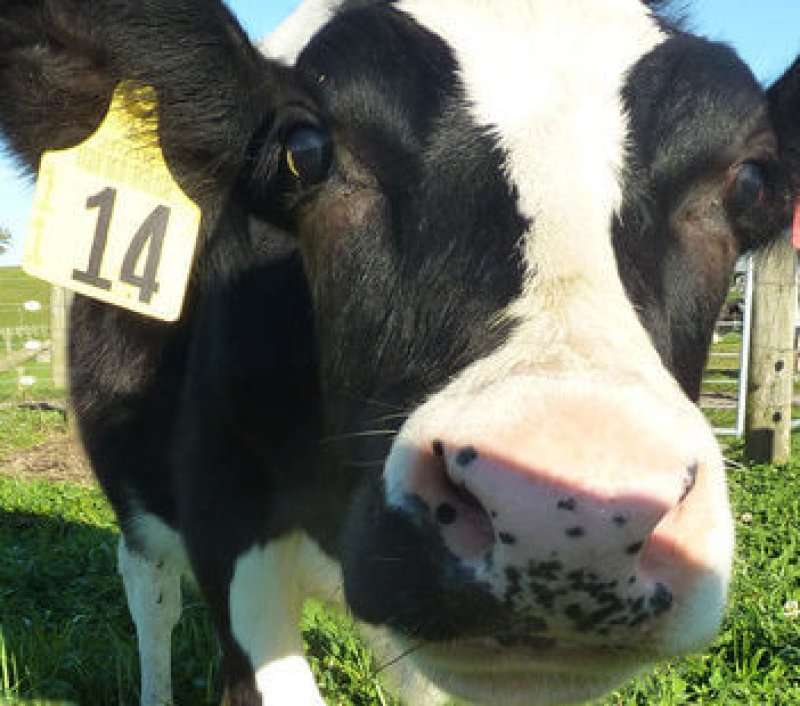
In 2012, Daisy the genetically engineered dairy calf made headlines around the world after researchers at AgResearch used a genetic intervention called RNA interference to target a particular cow milk protein known to be allergenic.

The team, led by Dr Goetz Laible, succeeding in proving they could knock down beta-lactoglobulin (BLG), which form large part of the allergic reactions two to three per cent of infants have to cow’s milk.

But the breakthrough posed another big question: would the same genetic trait carry on in Daisy’s offspring?

Milk was taken from the calves – born from eggs taken from Daisy, fertilised and placed in surrogate cows – through induced lactation.

Results showed no detectable levels of BLG – a finding the team expected would also be seen when the animals lactate naturally with breeding next spring.

“We’d wanted to demonstrate that the changes we had seen in Daisy were stable and could be transmitted to the next generation,” Laible said. “That’s really what you need, otherwise you end up with just one animal and one generation having the phenotype or characteristics that you intended.”

[This doesn’t] mean we [can] expect a new line of hypo-allergenic hitting supermarket shelves any time soon … There [is] much about the milk’s functionality and potential benefits – along with any safety concerns or negative consequences for processing – that still [has] to be explored.

The GLP aggregated and excerpted this blog/article to reflect the diversity of news, opinion, and analysis. Read full, original post: GE cow’s offspring show ‘super-milk’ potential


{{ reviewsTotal }}{{ options.labels.singularReviewCountLabel }}

{{ reviewsTotal }}{{ options.labels.pluralReviewCountLabel }}
{{ options.labels.newReviewButton }}
{{ userData.canReview.message }}

Related Articles

Infographic: Global regulatory and health research agencies on whether glyphosate causes cancer

Infographic: Global regulatory and health research agencies on whether glyphosate causes cancer

Does glyphosate—the world's most heavily-used herbicide—pose serious harm to humans? Is it carcinogenic? Those issues are of both legal and ...

Most Popular

Screenshot-2026-04-20-at-2.26.27-PM
Viewpoint — Food-fear world: The latest activist scientists campaign: Cancer-causing additives
Screenshot-2026-03-13-at-12.14.04-PM
The FDA wants to make many popular prescription drugs OTC—a great idea. Here’s why it’s unlikely to happen
Screenshot-2026-05-01-at-11.56.24-AM
‘Science moves forward when people are willing to think differently’: Memories of DNA maverick Craig Venter
Screenshot-2026-04-03-at-11.15.51-AM
Paraben panic: How a flawed study, media hype, and chemophobia convinced the public of the danger of one of the safest classes of preservatives
ChatGPT-Image-May-1-2026-02_20_13-PM
How RFK, Jr.’s false vaccine claims are holding up $600 million to fight diseases in poor countries
viva-la-vida-watermelons
Misinformation and climate change are endangering summer watermelons
Screenshot-2026-04-30-at-2.19.37-PM
5 myths about summer dehydration that could damage your health — or even kill you
ChatGPT-Image-Mar-27-2026-11_27_05-AM
The myths of “process”: What science says about the “dangers’ of synthetic products and ultra-processed foods
Drinking lots of water can help reduce the effects of aging
Nanoplastics in drinking water: MAHA activists forge science-based bipartisan coalition 
ChatGPT-Image-Mar-10-2026-01_39_01-PM
Viewpoint—“Miracle molecule” debunked: Why acemannan supplements don’t work
79d03212-2508-45d0-b427-8e9743ff6432
Viewpoint: The Casey Means hustle—Wellness woo opportunism dressed up as medical wisdom
Screenshot-2026-05-04-at-12.54.32-PM
How Utah became the country’s supplement capital  — and a haven for unregulated, ineffective and fake products
ChatGPT-Image-Apr-30-2026-12_21_05-PM-2
The tech billionaires behind the immortality movement
glp menu logo outlined

Get news on human & agricultural genetics and biotechnology delivered to your inbox.