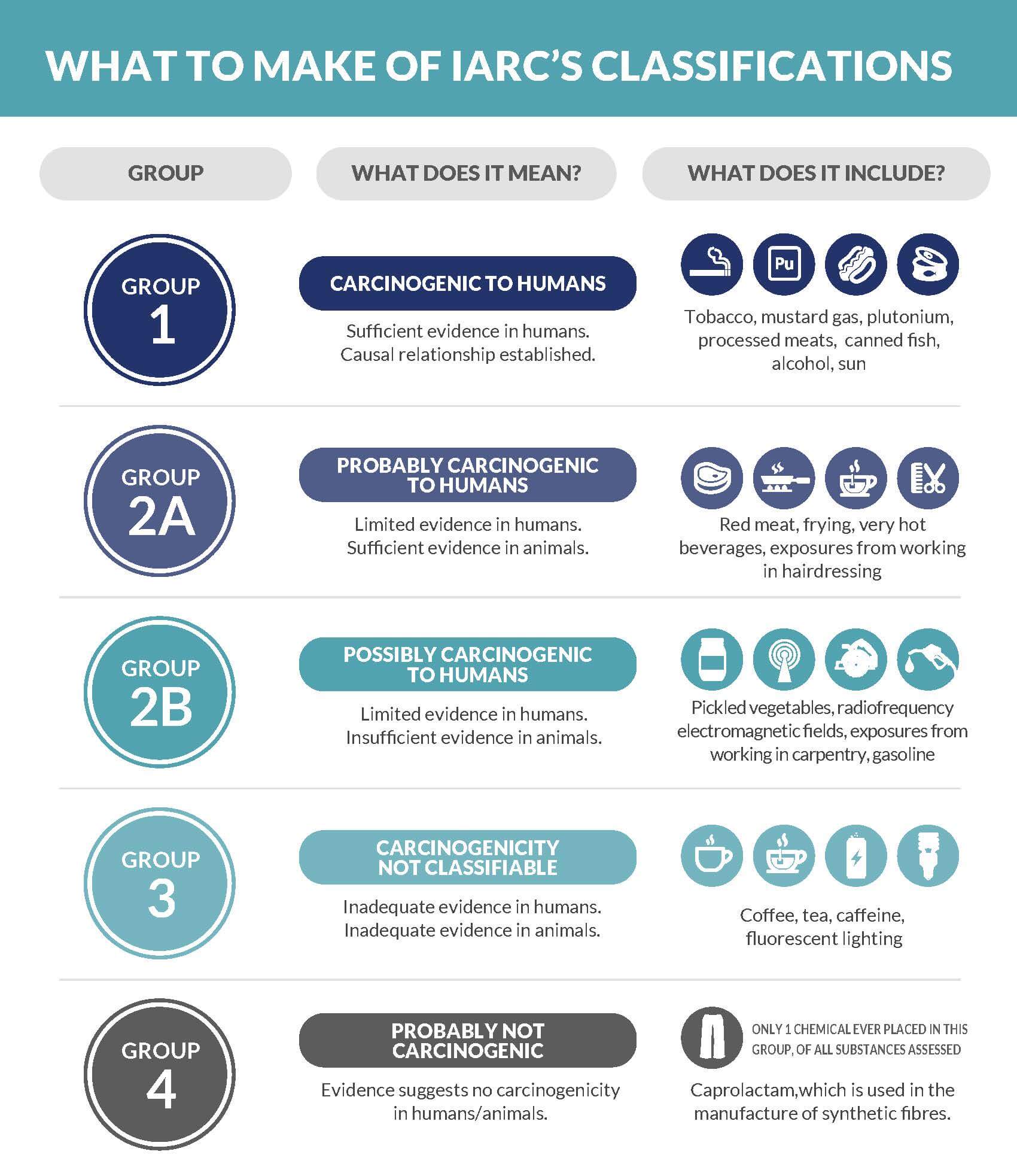
For decades, the International Agency for Research on Cancer (IARC) warned coffee drinkers that their favorite beverage might cause cancer. Finally, IARC revisited its decision and reclassified coffee, downgrading it from “possibly carcinogenic” to “not classifiable.” While this decision is a step in the right direction, it raises new questions and concerns.
BACKGROUND:
- In 1991, IARC classified coffee as a Group 2B carcinogen (possibly carcinogenic). IARC claimed the data was “consistent with a weak positive relationship between coffee consumption and the occurrence of bladder cancer” but conceded that “the possibility that this is due to bias or confounding cannot be excluded.” No other cancer associations were found by IARC.
- In June 2016, IARC acknowledged its finding was inconsistent with two decades of scientific study, and updated its assessment of coffee to Group 3 or “Not classifiable as carcinogenic to humans.”
- It was surprising IARC did not categorize coffee in Group 4 in light of the considerable evidence supporting the significant health benefits of coffee consumption including protection against Parkinson’s disease, liver disease, type 2 diabetes and liver cancer.
“We can’t say that it’s completely safe because proving a negative is very difficult, but it has moved down a step in terms of the hierarchy of concern.”– Dana Loomis, Deputy Section Head of IARC Monographs (July 18, 2016)

The GLP aggregated and excerpted this blog/article to reflect the diversity of news, opinion, and analysis. Read full, original post: THE FACTS: IARC’S PUZZLING STANCE ON COFFEE – MONOGRAPH 116