Generating tissue to repair knee cartilage and hearts more likely in wake of stem cell study

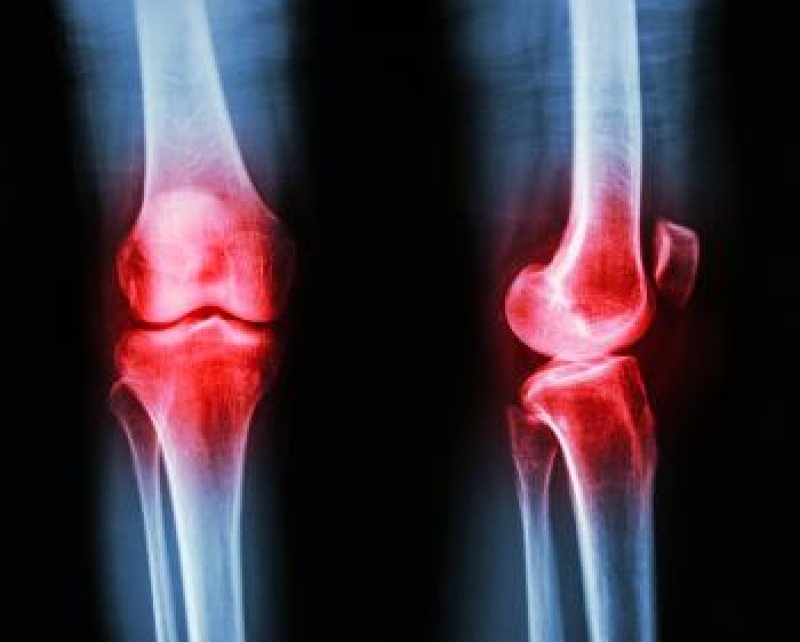
osteoarthritis of the knee

A new study from the National Institutes of Health, or NIH, has found that induced pluripotent stem cells would be safe to use in genetic engineering.

Induced pluripotent stem cells, or IPSCs, are the result of a breakthrough technique developed by Dr. Shinya Yamanaka, Ph.D., and Kazutoshi Takahashi, Ph.D., to return adult human cells to their earliest stage of development, and then change it into different types of cells in the body.

The practice of using IPSCs in medical advancements such as generating cartilage cell tissue to repair knees or cardiac cells to restore damaged heart tissue has been slowed by concerns from the medical community that the cells could be more susceptible to genetic mutations.

But the new study from the National Human Genome Research Institute, or NHGRI, part of the NIH, has found that IPSCs are no more likely to develop genetic mutations than cells duplicated by subcloning, a process where single cells are cultured individually and then grown into a cell line.

“These findings suggest that the question of safety shouldn’t impede research using IPSC,” said Dr. Pu Paul Llu, senior investigator in NHGRI’s Translational and Functional Genomics Branch….

[The study can be found here.]

The GLP aggregated and excerpted this blog/article to reflect the diversity of news, opinion, and analysis. Read full, original post: Induced pluripotent stem cells don’t increase mutations: Study

{{ reviewsTotal }}{{ options.labels.singularReviewCountLabel }}
{{ reviewsTotal }}{{ options.labels.pluralReviewCountLabel }}
{{ options.labels.newReviewButton }}
{{ userData.canReview.message }}

Related Articles

Infographic: Global regulatory and health research agencies on whether glyphosate causes cancer

Infographic: Global regulatory and health research agencies on whether glyphosate causes cancer

Does glyphosate—the world's most heavily-used herbicide—pose serious harm to humans? Is it carcinogenic? Those issues are of both legal and ...

Most Popular

Picture1
The Orange Bowl without oranges: Can CRISPR save Florida citrus?
global warming
‘Implausible’: Top climate scientists reject worst-case scenario—soaring temperatures and fast-rising sea levels
vax-misinformation-main
Facts & Fallacies Podcast: Limit free speech to blunt social media misinfo?
Screenshot 2026-05-22 at 11.31
‘Realistic and durable’: EPA proposes loosening restrictions on some PFAS ‘forever chemicals.’
Screenshot-2026-04-22-at-12.21.32-PM
Viewpoint: Why the retracted Monsanto glyphosate study doesn’t change the science—the world’s most popular herbicide is safe 
ChatGPT-Image-May-1-2026-11_42_59-AM-2
Viewpoint: NAD is the wellness grifters latest evidence-lite longevity fad. At least the mice are impressed.
ChatGPT Image May 26, 2026, 12_06_53 PM
Fake Ebola cure promoters already cashing in as disinformation videos flood social media
ChatGPT Image May 24, 2026, 03_16_36 PM
Here come the biohackers' Enhanced Games—The Olympics for athletes doping up on steroids, hormones and peptides. What’s wrong with that?
Screenshot-2026-05-21-at-12.15.17-PM
UK gene-editing milestone: Livestock barley that increases ruminant value and reduces methane emissions is first-approved CRISPR crop
Picture1
The FDA couldn’t find a vaccine safety crisis, so it buried its own research
glp menu logo outlined

Get news on human & agricultural genetics and biotechnology delivered to your inbox.