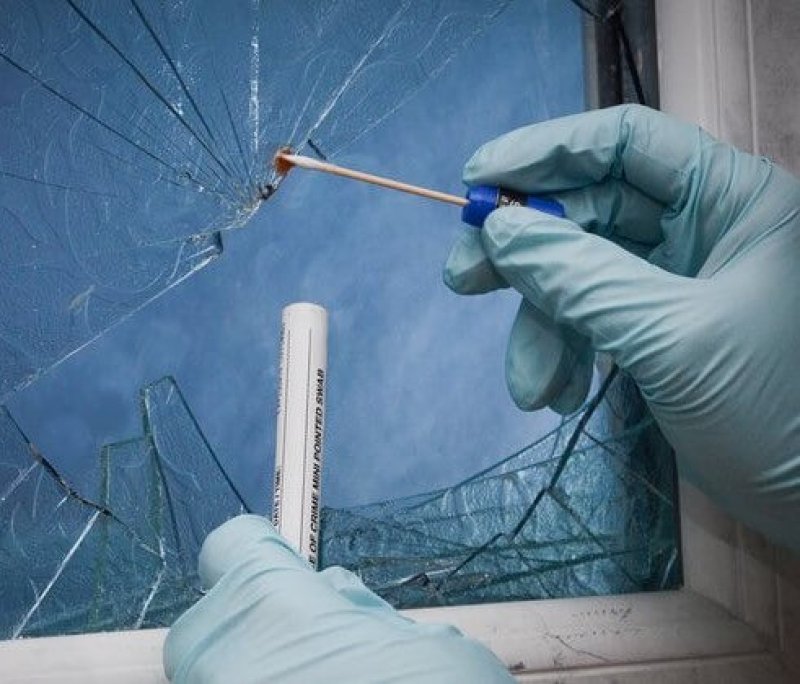
Next big thing in the world of crime solving: Epigenetics?

[A]dvances in epigenetics – the study of reversible chemical modifications to chromosomes that play a role in determining which genes are activated in which cells – might soon start making their way out of research labs and into criminal forensics facilities.

The things we get up to while our epigenetic clocks are ticking can also leave their mark on our DNA. Cigarette smoking correlates with characteristic and persistent epigenetic changes. The same goes for cocaine, opioids and other illicit substances. There’s also some evidence for epigenetic signatures of obesity, traumatic childhood experiences, exposure to tobacco in the womb, season of birth, exposure to environmental pollution, [and] exercise….

There are also ways to detect non-epigenetic evidence of environmental exposures that we all experience For example, international travel or exposure to certain chemicals or experiences can change the composition of the microbiome.

Existing epigenetic analysis methods also use impracticably large samples of blood or tissue, much more than is usually available at a crime scene…However, these technical challenges will hopefully soon be overcome, and it’s not too early to start thinking about the legal implications of this type of information.

The GLP aggregated and excerpted this blog/article to reflect the diversity of news, opinion, and analysis. Read full, original post: Forensic DNA profiling might be about to take a big leap forward. Are we ready?

{{ reviewsTotal }}{{ options.labels.singularReviewCountLabel }}
{{ reviewsTotal }}{{ options.labels.pluralReviewCountLabel }}
{{ options.labels.noReviewsLabel }}
{{ options.labels.newReviewButton }}
{{ userData.canReview.message }}

Related Articles

Infographic: Global regulatory and health research agencies on whether glyphosate causes cancer

Infographic: Global regulatory and health research agencies on whether glyphosate causes cancer

Does glyphosate—the world's most heavily-used herbicide—pose serious harm to humans? Is it carcinogenic? Those issues are of both legal and ...

Most Popular

ChatGPT-Image-Jul-22-2026-09_13_07-AM
Viewpoint—The Strategic Litigation boom: Understanding the tightening coalition among NGOs, foundations, journalists, and tort lawyers
ChatGPT-Image-Mar-10-2026-01_39_01-PM
Viewpoint—“Miracle molecule” debunked: Why acemannan supplements don’t work
diversity
We are entering a new era of personalized medicine—if you’re white
How to Include More Strawberries in Your Diet
Strawberries are berries—and 35 other surprising food and drink myths
close up arabica coffee farmer s hands picking beans plant his farm colombia
Viewpoint: Why do so many ‘mainstream’ and ‘respected’ media outlets exaggerate climate change threats?
Screenshot-2026-07-07-at-12.55.44-PM
Viewpoint: Yes, we can adapt to a changing climate without devastating the environment and the economy
ChatGPT-Image-May-22-2026-10_26_09-AM
Trump-RFK, Jr. National Science Board firings: Accountability vs. partisan meddling
ChatGPT-Image-Jun-25-2026-12_23_17-PM
No, Bill Gates did not secretly engineer ticks to promote veganism
organic scaled
Facts & Fallacies podcast: Organic food cuts pesticide exposure? A response to Dr. Rhonda Patrick
ChatGPT-Image-Jul-6-2026-02_25_26-PM
40 million Americans take glucosamine. If you have memory loss, it could accelerate cognitive decline.
kratom
Viewpoint: Kratom ‘supplement’ crisis: DEA sits on its hands while patient addictions to this ineffective drug  rise

Sorry. No data so far.

glp menu logo outlined

Get news on human & agricultural genetics and biotechnology delivered to your inbox.