Commercialization, research on ‘home-grown’ GMO crops backed by Kenyan lawmakers

Cotton made in Africa organic

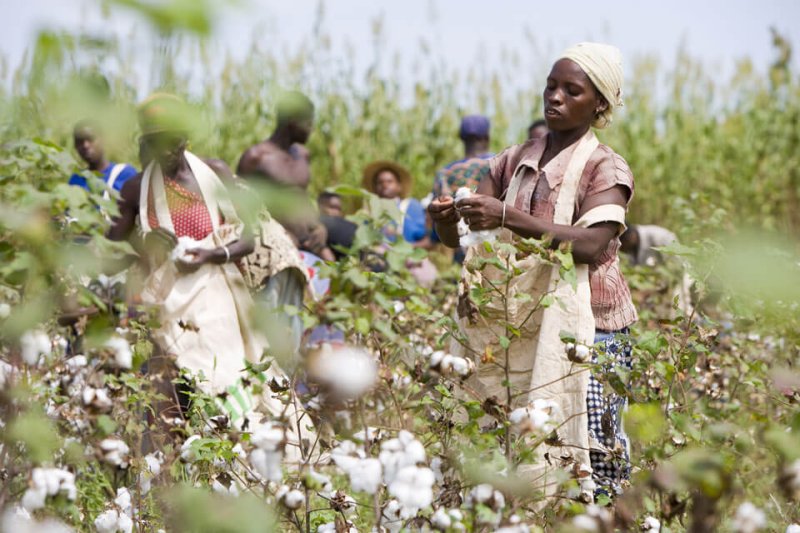
Kenyan crop researchers are free to start commercial growing of Genetically Modified (GMO) cotton, the country’s lawmakers said on Tuesday.

Noor Mohammed, Chairman of Parliamentary Committee on Agriculture, Livestock and Cooperatives, however, cautioned Kenya Agricultural and Livestock Research Organization (KALRO) to ensure that the by-products do not get to the human and animal food chain.

“We are fully behind homegrown solutions to food insecurity and therefore support local biotechnology research in the country,” Mohamed said during a consultative meeting between legislators and biotechnology experts in Nairobi.

Mohammed assured researchers that the committee will lobby the government to consider allocating additional funds specifically for GMOs research to also help set up a state of the art laboratory.

“Research and trials on other crops like maize virus-resistant sweet potatoes, and virus resistant cassava should also continue unhindered in the country,” he said.

The cotton variety provides inbuilt protection against attack from pests and is expected to increase yields due to reduced insect pests once introduced.

Besides, farmers are also expected to benefit from reduced exposure to insecticides resulting in time and labor savings.

“The [import] ban should be lifted on a case-by-case basis subject to human consumption, toxicity and assurance on long-term surveillance of the progress,” he said.

The GLP aggregated and excerpted this blog/article to reflect the diversity of news, opinion, and analysis. Read full, original post: Kenyan lawmakers back commercialization of GMO cotton

{{ reviewsTotal }}{{ options.labels.singularReviewCountLabel }}
{{ reviewsTotal }}{{ options.labels.pluralReviewCountLabel }}
{{ options.labels.newReviewButton }}
{{ userData.canReview.message }}

Related Articles

Infographic: Global regulatory and health research agencies on whether glyphosate causes cancer

Infographic: Global regulatory and health research agencies on whether glyphosate causes cancer

Does glyphosate—the world's most heavily-used herbicide—pose serious harm to humans? Is it carcinogenic? Those issues are of both legal and ...

Most Popular

Screenshot-PM-24
Viewpoint: The herbicide glyphosate isn’t perfect. Banning it would be far worse.
79d03212-2508-45d0-b427-8e9743ff6432
Viewpoint: The Casey Means hustle—Wellness woo opportunism dressed up as medical wisdom
d-b
Blocked arteries, kidney stones, nausea, constipation, fatigue: Long list of health problems caused by too much vitamin D 
ChatGPT-Image-Mar-10-2026-01_39_01-PM
Viewpoint—“Miracle molecule” debunked: Why acemannan supplements don’t work
Screenshot-2026-04-30-at-11.33.46-AM
Anti-seed-oil to anti-vax pipeline: MAHA movement spreads to teen influencers
lab grown meat research kelly schultz lehighuniversity main
Profiles of the 10 top global cultured meat companies
ChatGPT-Image-Apr-30-2026-05_00_48-PM
Wellness grifter physician turned wellness influencer out as surgeon general nominee
Screenshot-2026-04-28-at-1.21.37-PM
How America’s medical system encourages psychiatric overdiagnosis
ChatGPT-Image-Mar-27-2026-11_27_05-AM
The myths of “process”: What science says about the “dangers’ of synthetic products and ultra-processed foods
ChatGPT-Image-Apr-30-2026-12_21_05-PM-2
The tech billionaires behind the immortality movement

Sorry. No data so far.

glp menu logo outlined

Get news on human & agricultural genetics and biotechnology delivered to your inbox.